
How Many Sheds Can I Have in My Garden UK?
There’s no fixed “maximum number” of sheds you can have in a UK garden. What matters is whether your sheds (and other outbuildings) stay within permitted development rules — especially total garden coverage, height, placement, and use.
This guide explains the real limits in plain English, plus how to plan multiple sheds without running into permission problems.
Design a Shed Find Sheds Near Me
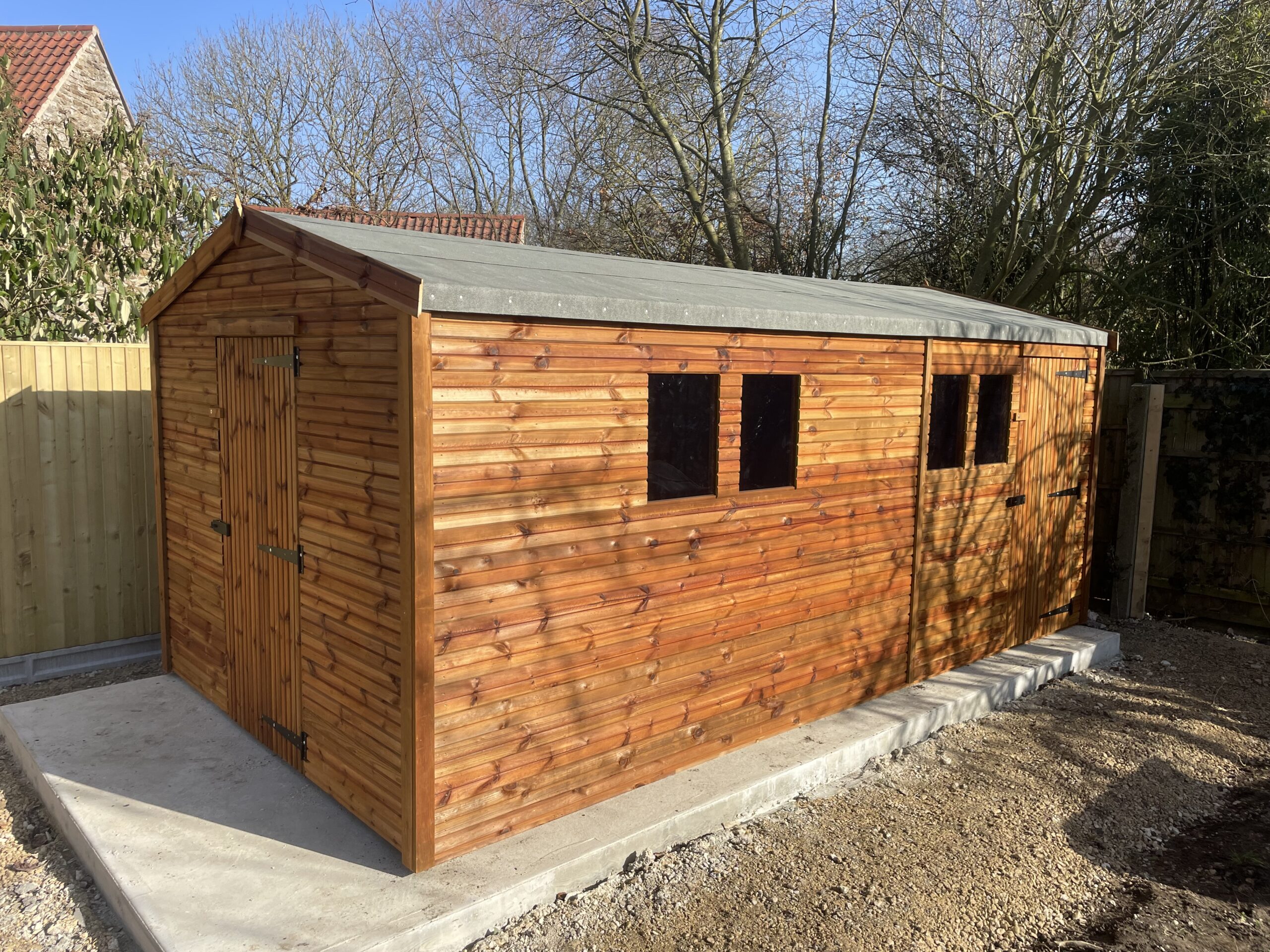
Is There a Limit on the Number of Sheds?
UK guidance focuses on what you build and how much land it covers, rather than a strict “one shed only” rule. That means two small sheds can be easier to keep within the rules than one oversized outbuilding.
What your council will look at
- Total coverage: how much of the garden is covered by outbuildings and extensions
- Height: especially if the shed is near a boundary
- Position: usually must be behind the house, not in front of the main elevation
- Use: storage/workshop/hobby is usually fine; separate living accommodation is not
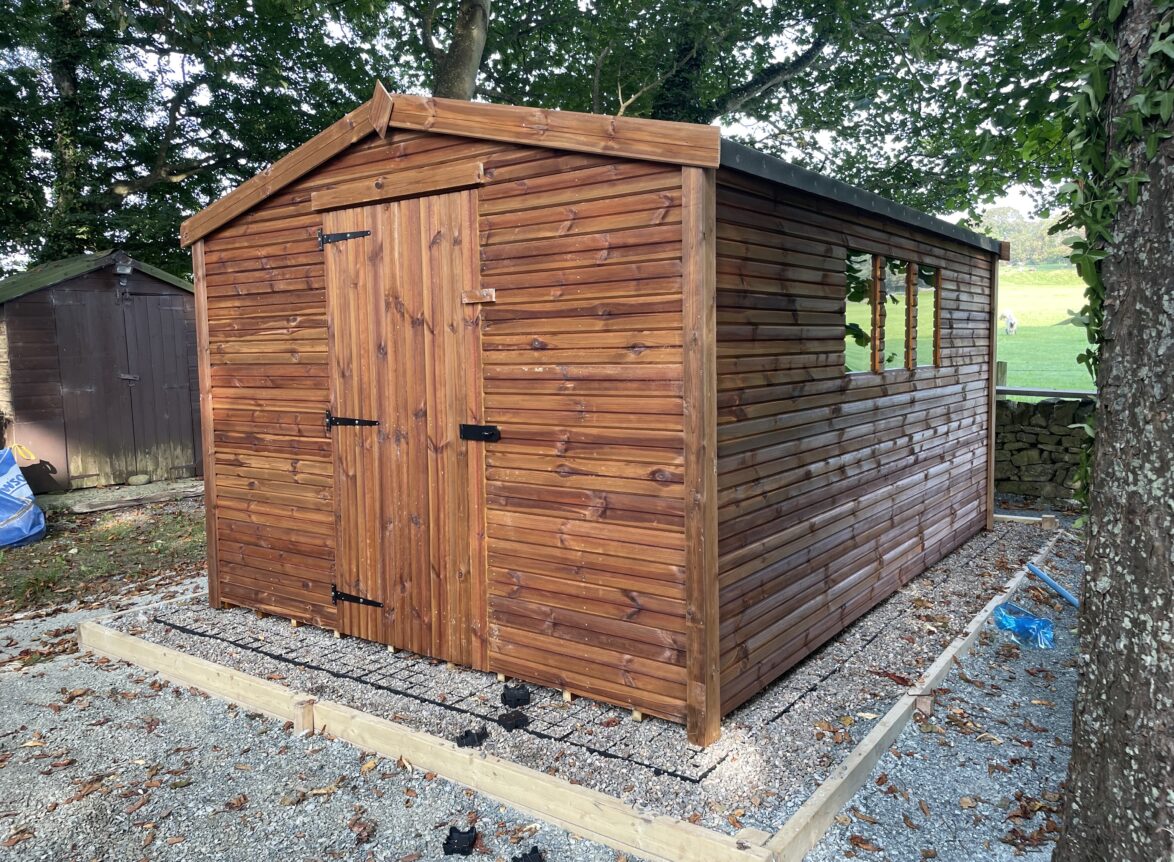
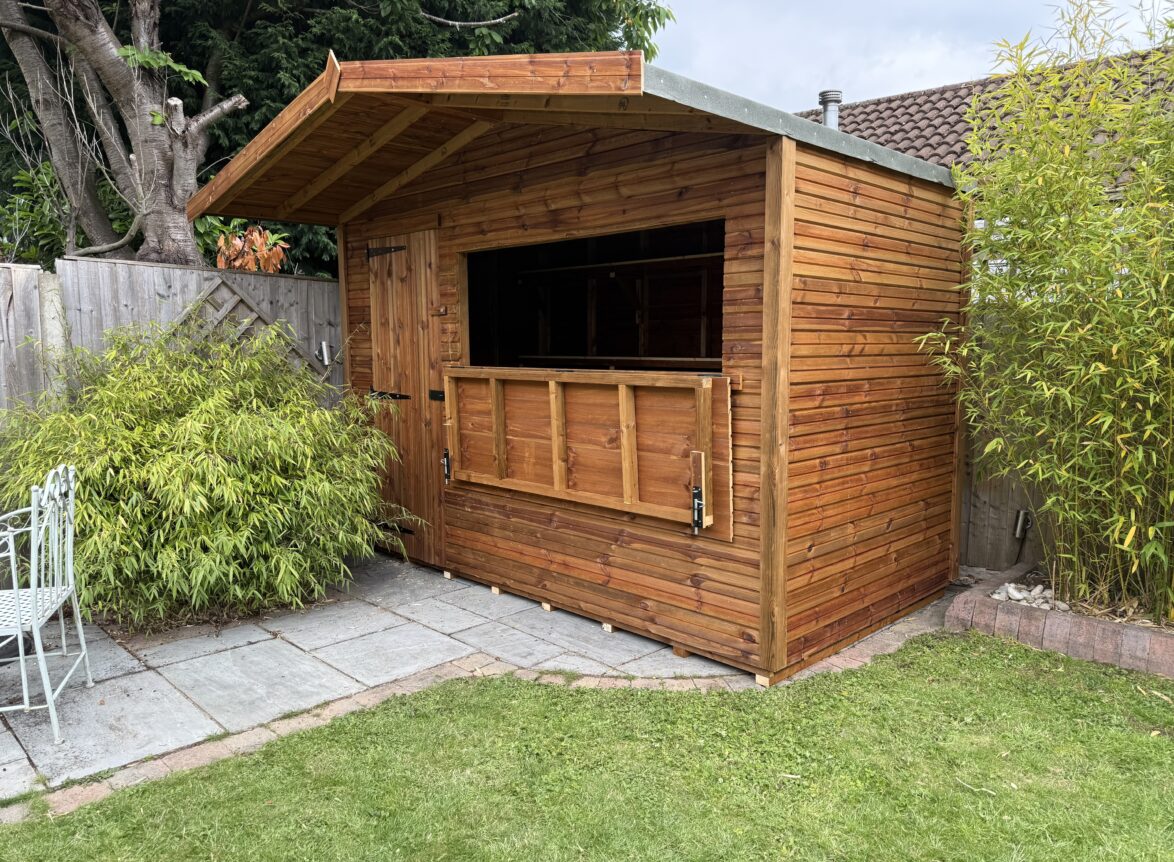
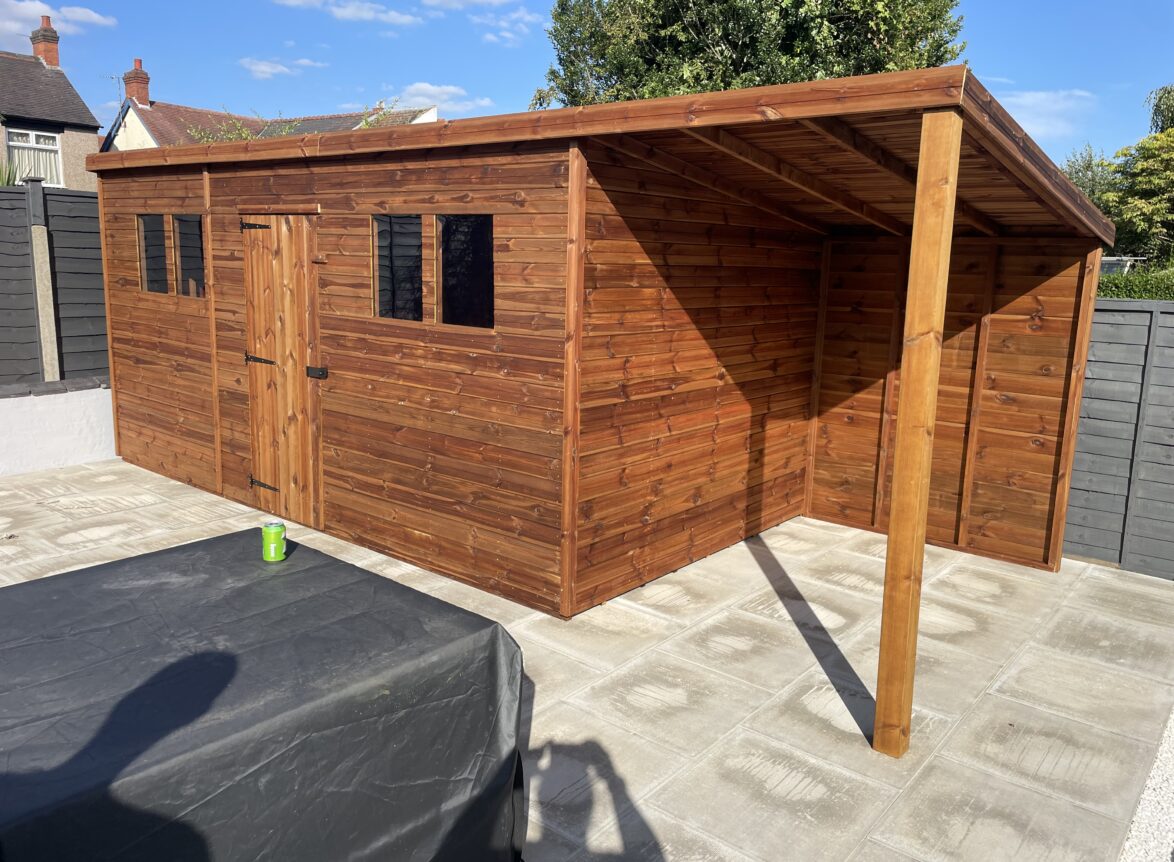
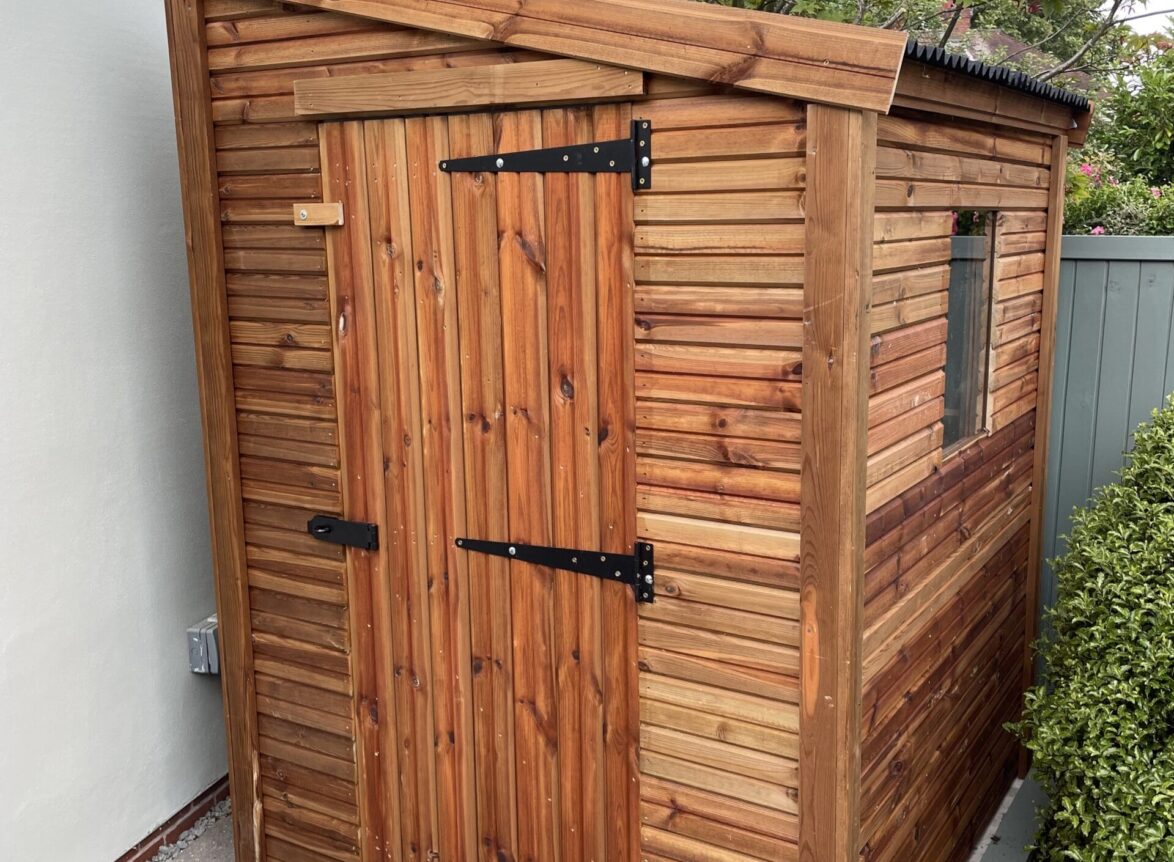
If you want multiple buildings for different uses, consider: Workshop Sheds for tools and projects, plus a Security Shed for bikes and valuables.
The Real “Maximum”: The 50% Garden Coverage Rule
One of the biggest hidden limits is the 50% rule. Under permitted development, the total area of land covered by buildings (including outbuildings and extensions) usually must not exceed 50% of the curtilage (excluding the original house).
| Rule | Why it matters for multiple sheds |
|---|---|
| 50% coverage limit | Two or three sheds may be fine — but the combined footprint (plus any extensions/other buildings) can’t exceed the allowed garden coverage. |
| Single storey + incidental use | Multiple sheds are more likely to be OK when used for storage/workshop/hobby, not as separate living accommodation. |
| Not in front of the house | Sheds placed forward of the principal elevation commonly trigger permission issues. |
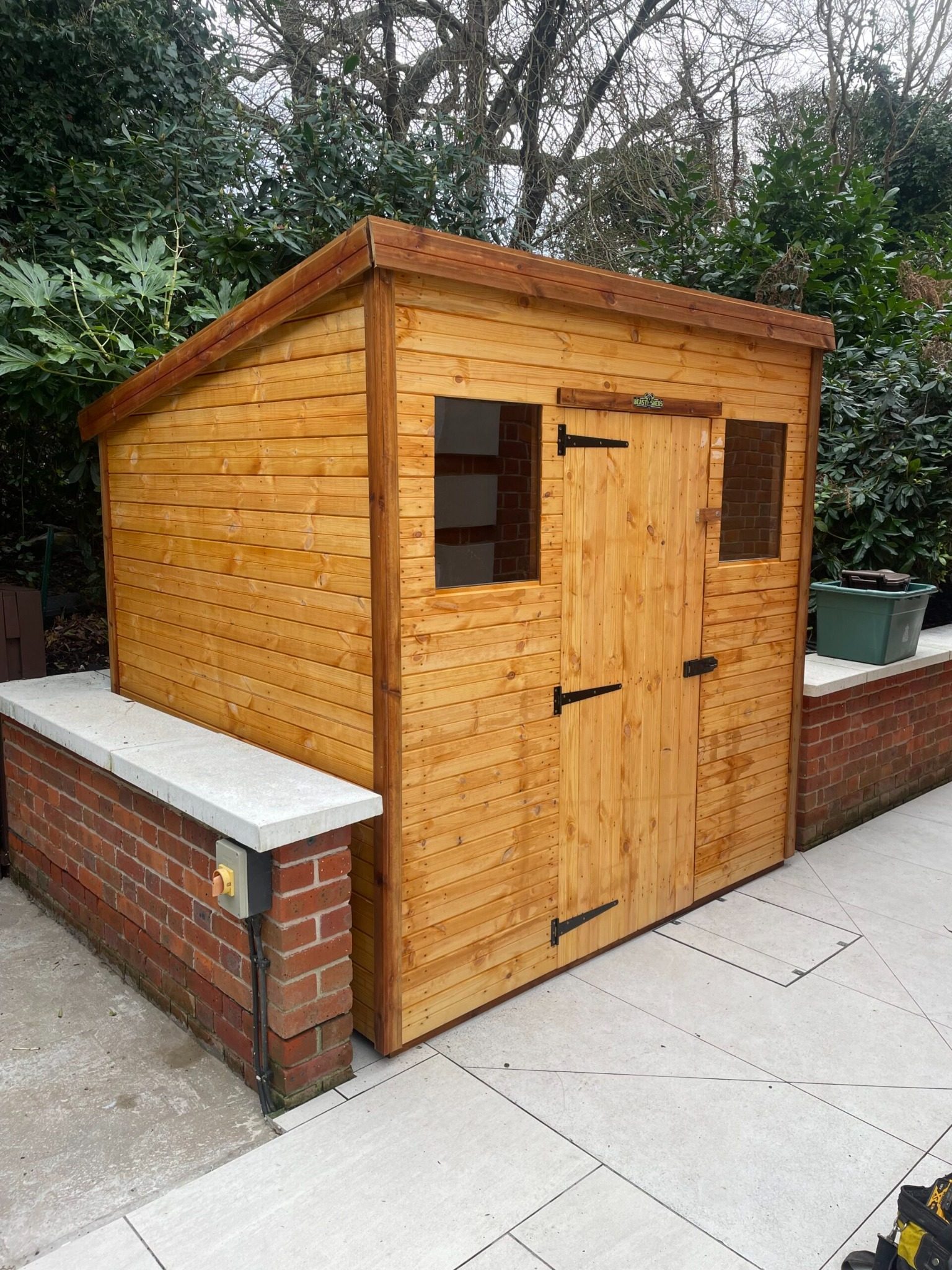
Height & Boundary Rules That Affect “How Many”
Height rules don’t cap the number of sheds, but they can limit where you can place additional sheds. The most important one is: if an outbuilding is within 2m of a boundary, the maximum overall height is usually 2.5m.
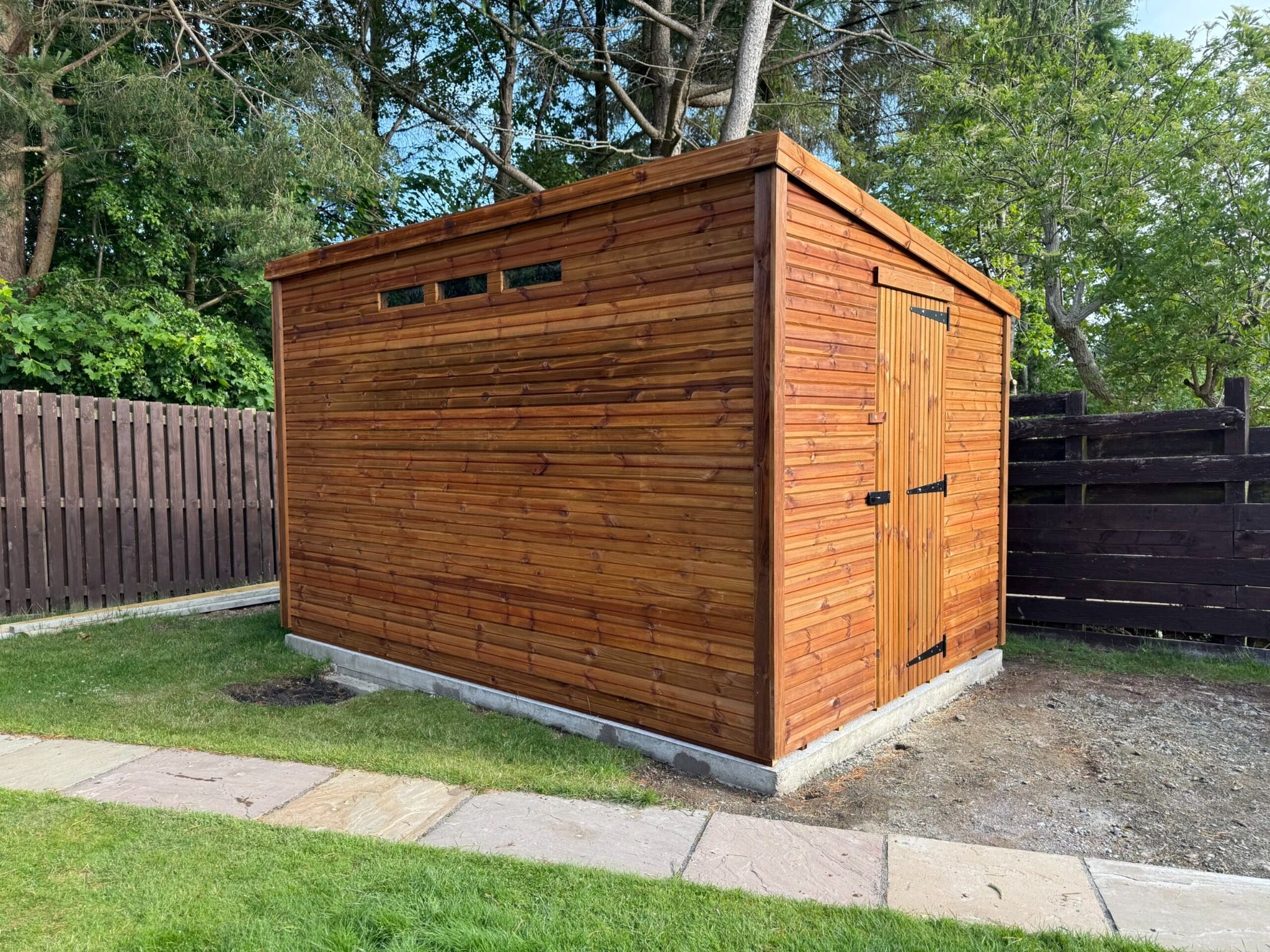
Examples: What Usually Works Without Planning Permission
- Example 1: One medium shed + one small storage shed, both behind the house, both under height limits.
- Example 2: One workshop shed + one security shed, positioned to stay under 2.5m if close to boundaries.
- Example 3: A large shed only — when the garden footprint would make a second shed push you over the 50% rule.
Browse practical options: Small Sheds | Medium Sheds | Large Sheds
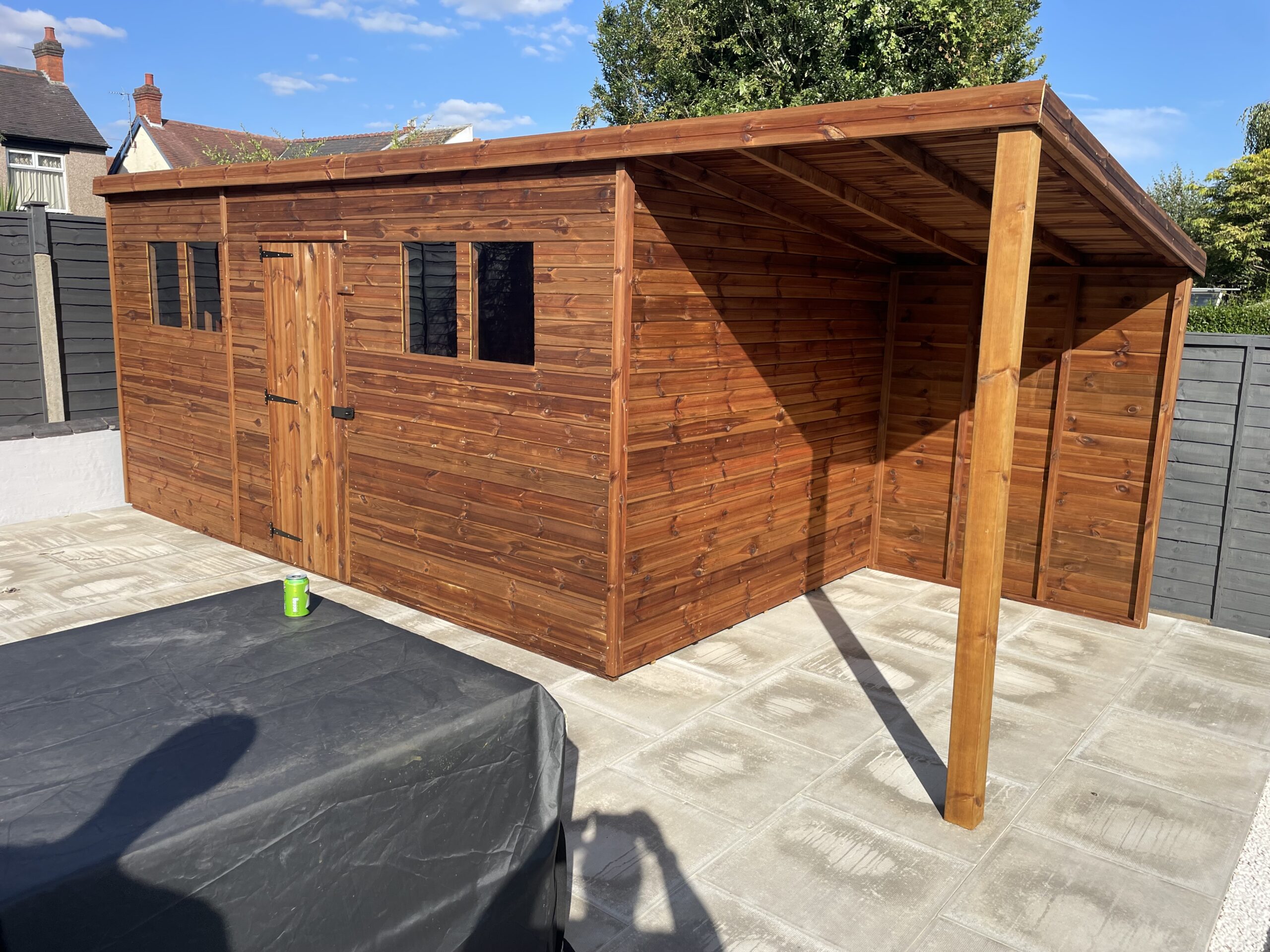
When Multiple Sheds Might Need Permission
You’re more likely to need planning permission if:
- Your combined outbuildings exceed the 50% garden coverage limit
- Any shed exceeds height rules (especially within 2m of a boundary)
- You’re in a conservation area, on designated land, or within the curtilage of a listed building
- You’re creating self-contained living accommodation (kitchen/bathroom/sleeping use)
If you’re unsure, the safest step is to check official guidance (linked below) and your local council’s planning pages.
Official UK Sources (Recommended)
For the most accurate, up-to-date permitted development rules, use these official references:
Final Answer: How Many Sheds Can You Have?
In most UK gardens, you can have more than one shed as long as your sheds:
- Don’t exceed height limits (especially 2.5m within 2m of a boundary)
- Are not in front of the house’s principal elevation
- Stay within the 50% garden coverage rule
- Are for incidental use (storage/workshop/hobby), not a separate residence
Need help picking sizes that work in your space? Try the Shed Builder Shop All Sheds
Leave a Comment
Your email address will not be published. Required fields are marked *