FREE Fitting & Delivery in England and Wales
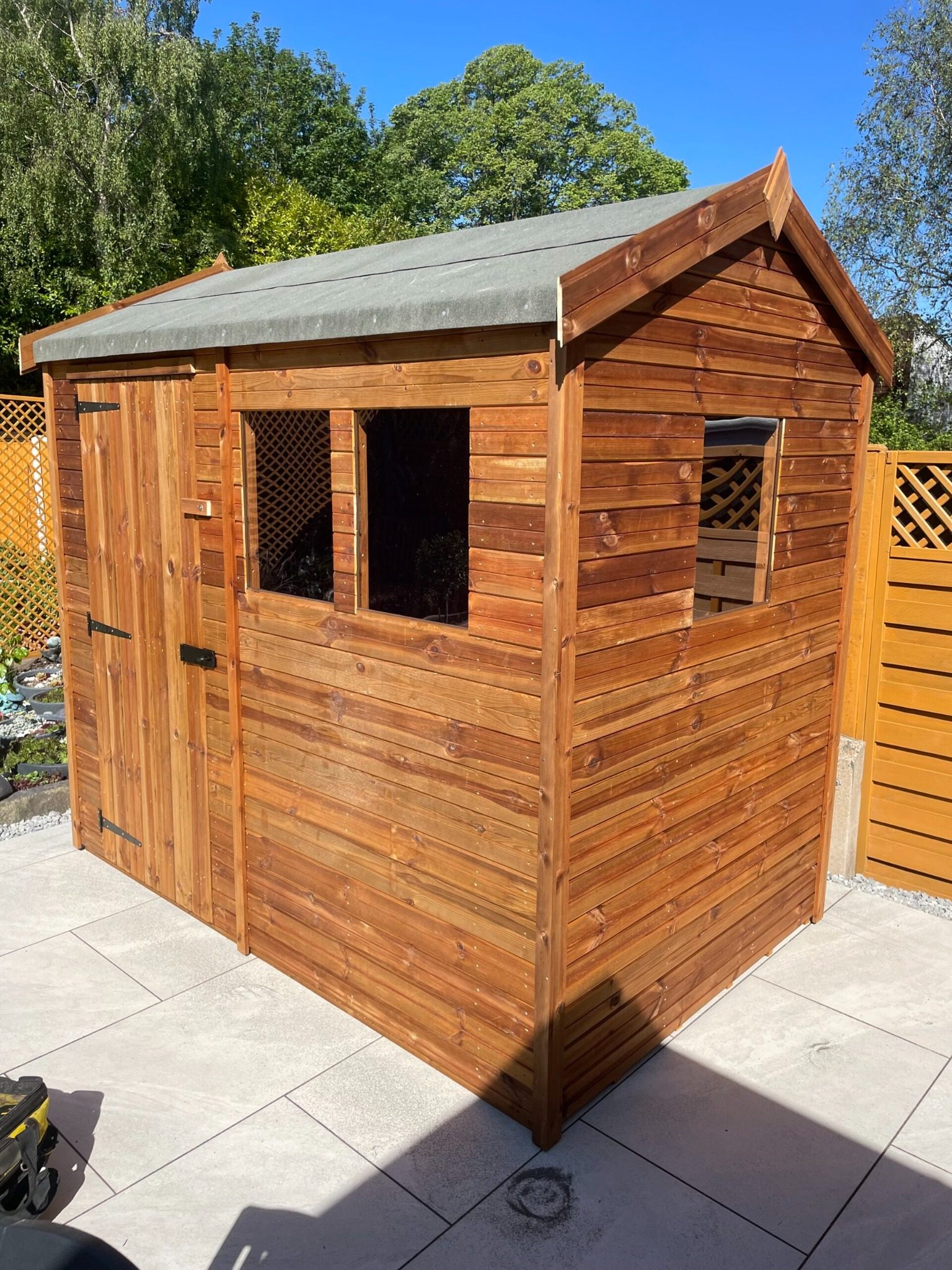
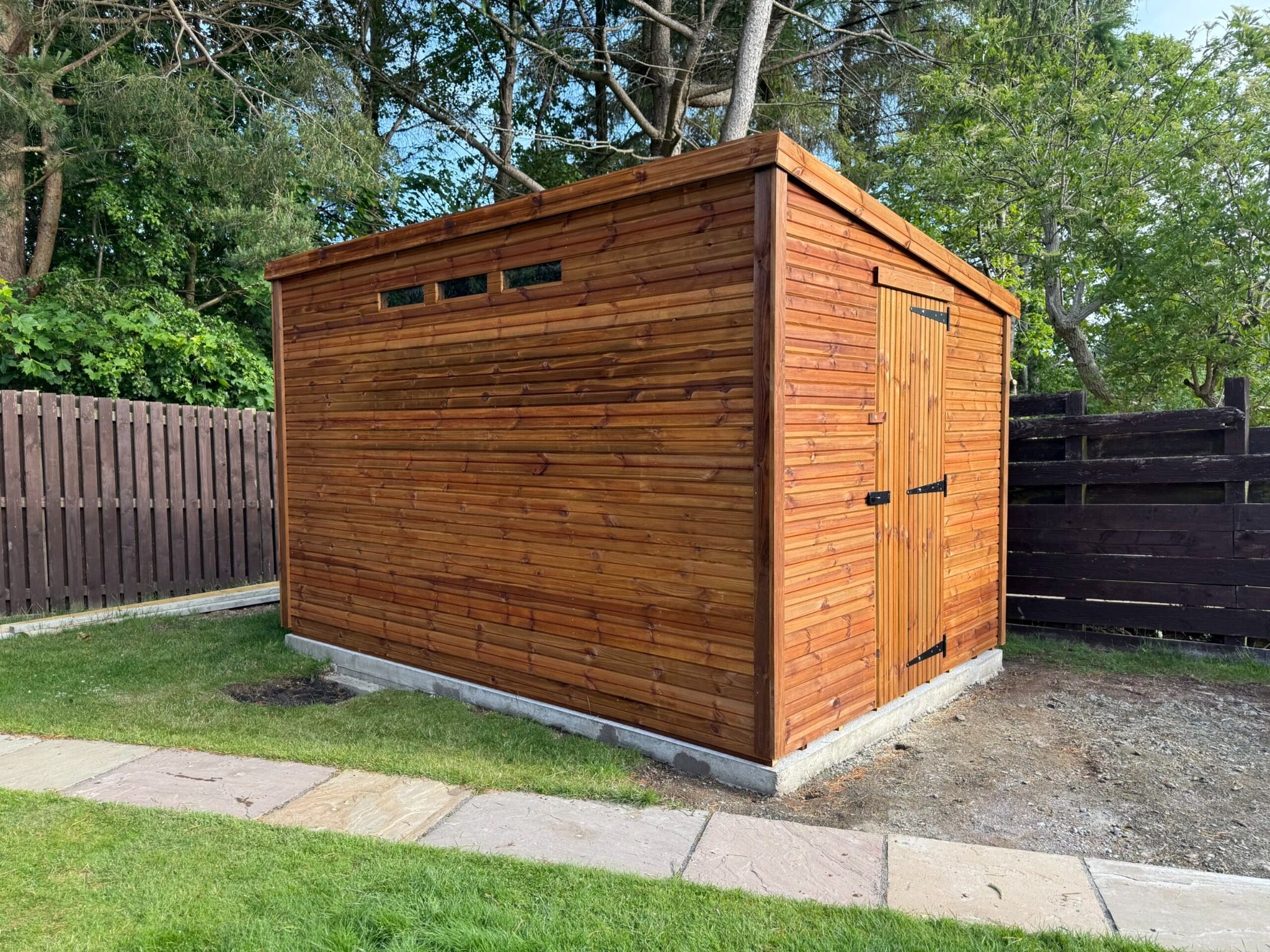
Small timber garden shed shown from side angle, featuring shiplap cladding, felt roof, and secure door hinges with 3 windows.

How to Waterproof a Shed (UK Rain, Damp & Condensation Guide)

How to Waterproof a Shed (UK Rain, Damp & Condensation Guide)

Water damage is one of the most common reasons sheds fail early. In this guide, you’ll learn how to waterproof a shed properly — from the roof and walls to ventilation and ground protection.

Build Your Shed Installation Services

Why Waterproofing a Shed Is Essential

UK weather exposes sheds to heavy rain, frost, and prolonged damp conditions. Without proper waterproofing, moisture can lead to:

  • Rotting timber
  • Mould and mildew
  • Rusting tools and stored items
  • Shortened shed lifespan

Whether you own a garden shed, wooden shed, or a security shed, weatherproofing is essential.
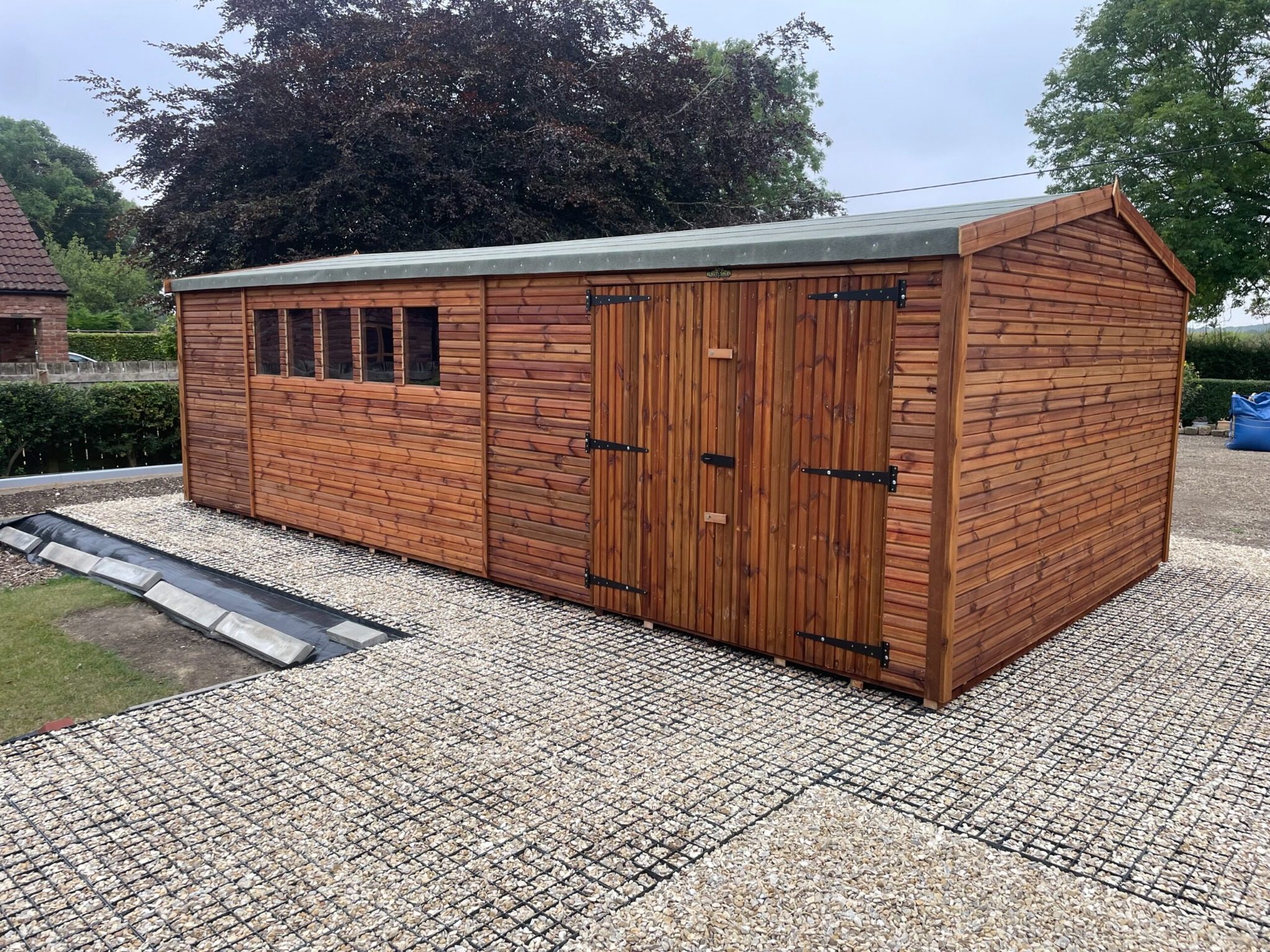
Garden shed with felt roof and weatherproof finish

Step 1: Protect the Roof

The roof takes the most punishment from rain and snow. Ensure:

  • Felt is in good condition with no tears
  • Edges are sealed and nailed down
  • No standing water remains after rainfall

If the felt is damaged, consider replacing it completely rather than patching.
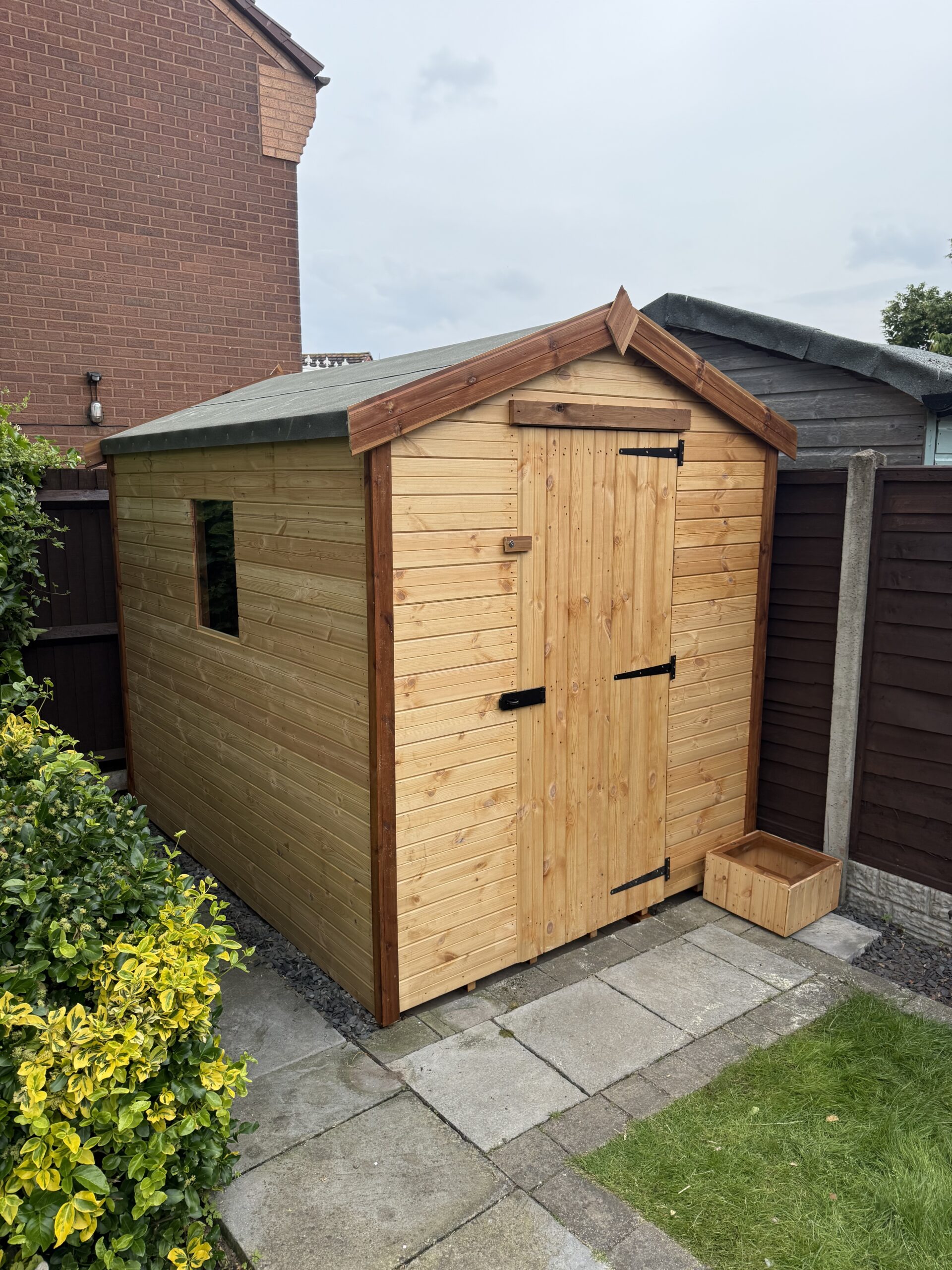
Felt roof installed on garden shed

Step 2: Seal Walls & Timber Panels

External cladding should be treated regularly with a water-repellent wood preservative. This prevents moisture ingress and extends timber life.

  • Apply treatment every 1–2 years
  • Pay extra attention to joints and edges
  • Choose a breathable treatment for moisture escape

Pressure-treated sheds offer longer protection, but still benefit from maintenance.
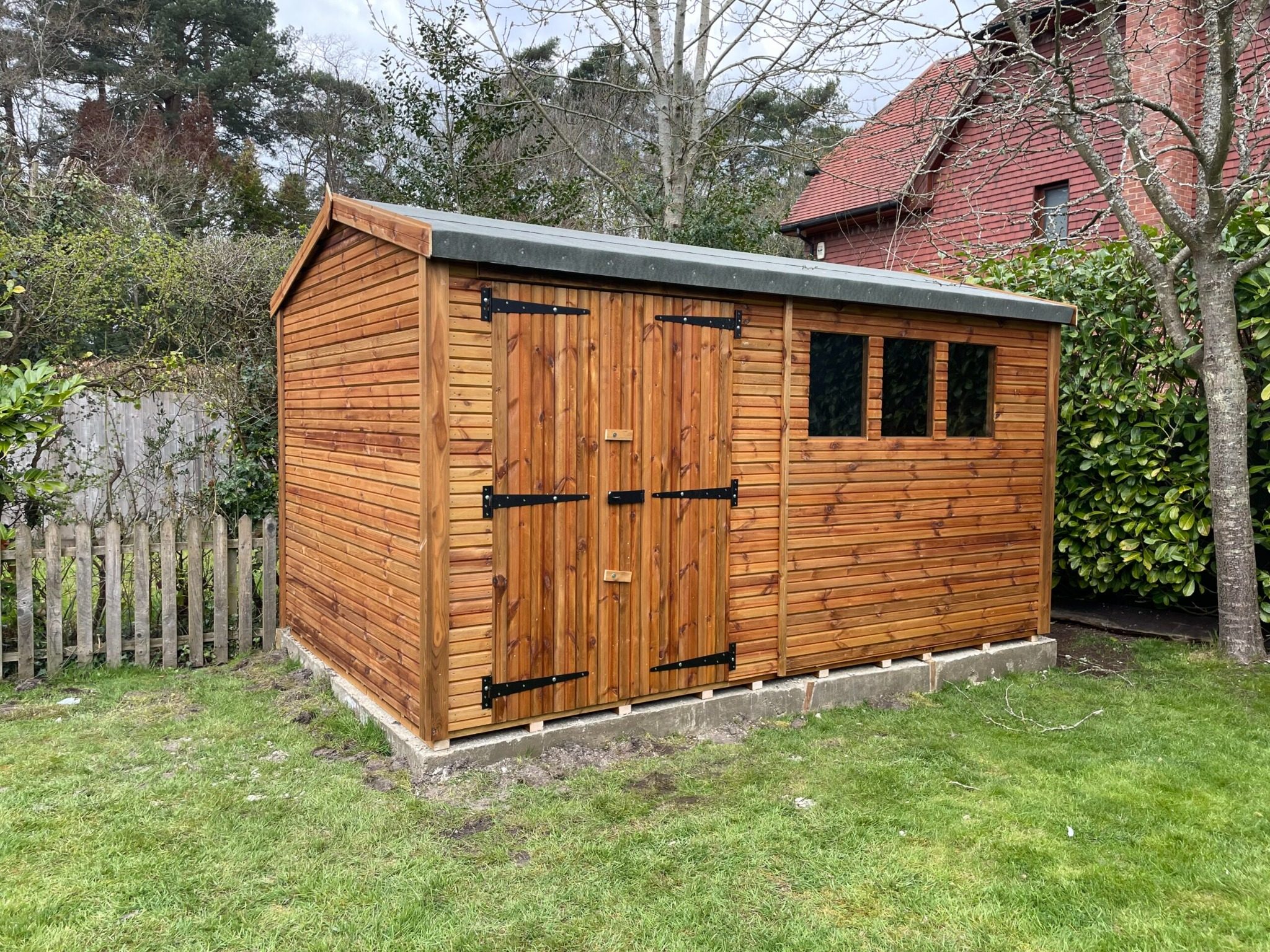
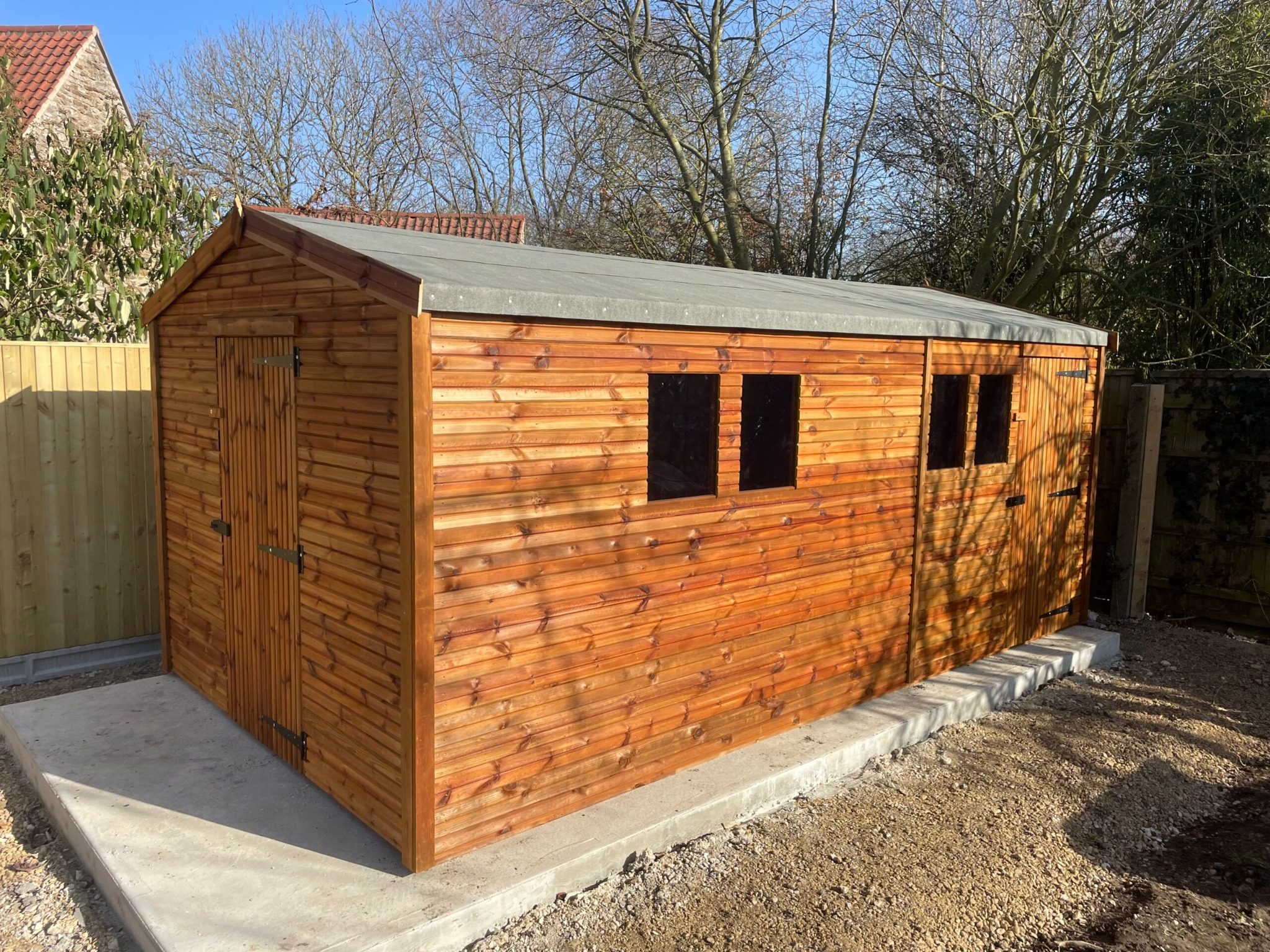
Large wooden shed with weatherproof treatment

Step 3: Prevent Condensation

Condensation is often mistaken for leaks. To reduce it:

  • Ensure airflow through vents or windows
  • Avoid storing wet items inside
  • Use breathable membranes or insulation

Condensation control is especially important for workshop sheds and tool storage.

When to Upgrade or Replace Your Shed

If your shed shows signs of structural rot or repeated leaks, upgrading may be more cost-effective.

Consider browsing: Pressure Treated Sheds | Large Sheds | Sheds on Sale

Final Thoughts

Waterproofing your shed properly protects your investment and keeps your contents safe year-round. With regular maintenance and good-quality materials, your shed can last decades.
Find Sheds Near You Browse Shed Offers

Timber garden shed shown from side angle, featuring shiplap cladding, felt roof, and secure door hinges.

How to Build a Shed Roof (Apex & Pent – UK Guide)

How to Build a Shed Roof (Apex & Pent – UK Guide)

Building a shed roof correctly is essential for keeping your shed weatherproof, durable, and long-lasting. This guide explains how to build both apex and pent shed roofs, including timber structure, coverings, and best UK practices.

Build Your Shed Installation Services

Understanding Shed Roof Types

The two most common shed roof designs in the UK are apex and pent. Each has different structural and drainage benefits.

  • Apex roof: Traditional pitched roof with a central ridge – ideal for rain runoff.
  • Pent roof: Single sloping roof, modern look, ideal for positioning against walls.

Explore available designs: Apex Sheds | Pent Sheds

Large apex roof shed installed on concrete base

What You Need to Build a Shed Roof

  • Structural timber (rafters, ridge board, joists)
  • Exterior grade OSB or tongue-and-groove boards
  • Roofing felt or felt shingles
  • Galvanised nails or screws
  • Drip edge or fascia boards

Quality materials ensure better weather resistance and longer life.

Large apex garden shed with two doors and four windows

How to Build a Shed Roof (Step-by-Step)

  1. Build the roof frame – Cut rafters to size and assemble on flat ground.
  2. Fix the frame to the shed walls ensuring it is square and level.
  3. Install roof boards using exterior-grade boards or OSB.
  4. Add roofing felt, starting from the bottom edge upward.
  5. Secure ridge cap for weather protection.
Tip: Always allow a small overhang at the front and rear to prevent rainwater running down the walls.
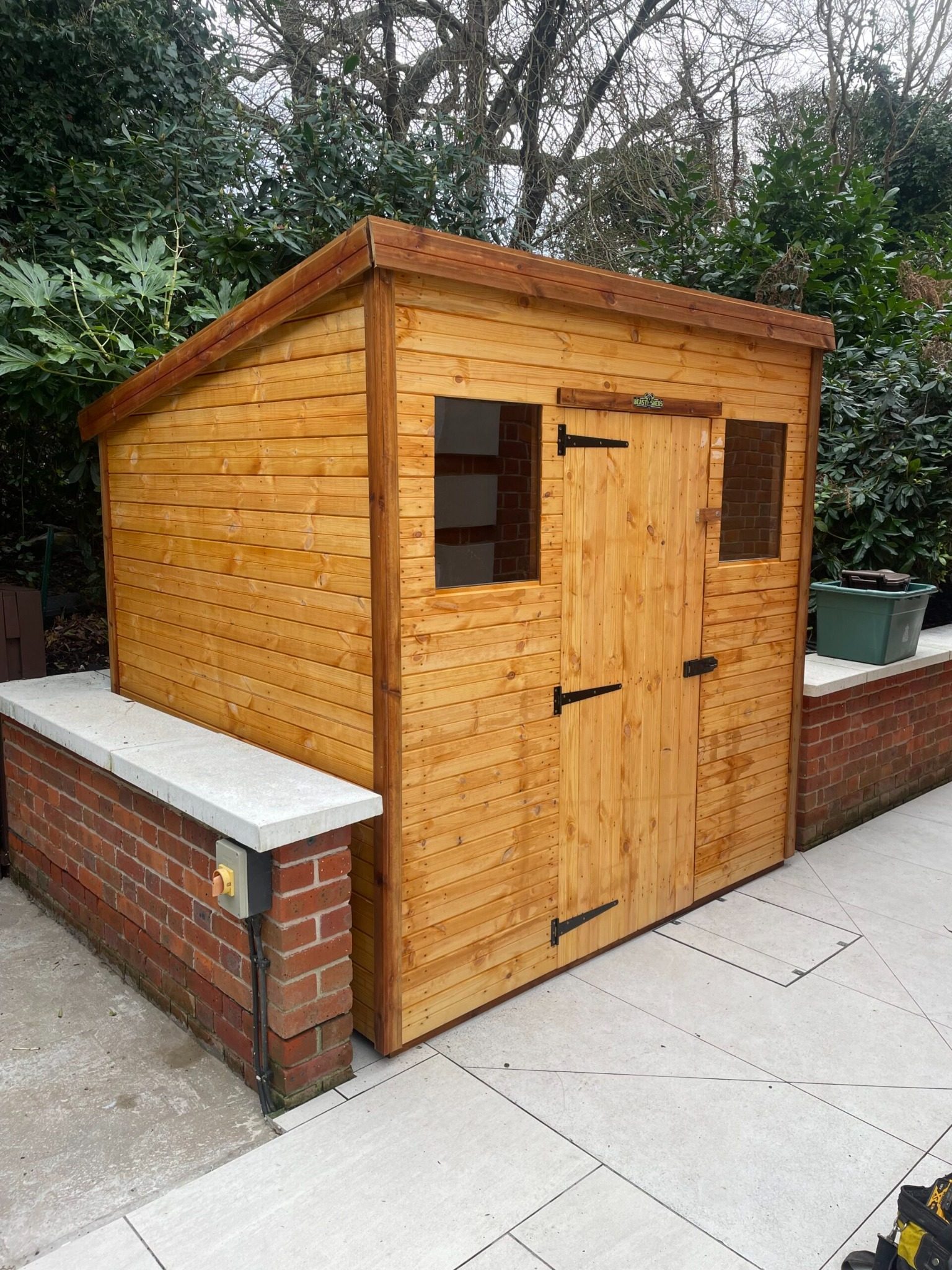
Pent shed with felted roof installed

Choosing the Right Roof for Your Shed

The best roof depends on size, exposure, and use:

  • Apex roofs: Better drainage, classic appearance
  • Pent roofs: Modern look, ideal for wall placement
  • Heavy-duty sheds: Thicker framing and stronger felt systems

Explore suitable models: Heavy Duty Sheds, Medium Sheds, Large Sheds

Common Mistakes to Avoid

  • Not allowing enough roof overhang
  • Fixing felt in cold or damp conditions
  • Skipping battens or ridge protection
  • Using indoor-grade timber outdoors

Avoid these mistakes and your roof can last 10–15 years or more.

Final Thoughts

Building a shed roof correctly protects your investment and ensures years of reliable use. Whether you’re repairing or starting from scratch, proper materials and technique make all the difference.

Find Sheds Near You View Sheds on Sale

How to Refelt a Shed Roof (Costs, Materials & Methods)

How to Refelt a Shed Roof (Costs, Materials & Methods)

Refelting a shed roof is one of the most effective ways to extend the life of your garden building. This guide explains how to refelt a shed roof properly, the tools you’ll need, and when it’s better to replace the roof covering altogether.

Build Your Shed Installation Services

When Should You Refelt a Shed Roof?

Most felt roofs last between 8–15 years depending on exposure and quality. Signs it’s time to refelt include:

  • Cracked or lifting felt
  • Water ingress or damp inside the shed
  • Loose or rusted felt tacks
  • Visible daylight through roof joints

Refelting early prevents timber rot and avoids full roof replacement.

Garden shed with newly felted roof

What You’ll Need to Refelt a Shed Roof

  • Mineral or polyester roofing felt
  • Galvanised clout nails or felt tacks
  • Hammer or nail gun
  • Sharp utility knife
  • Timber battens (for ridge capping)

For best results, choose a high-quality felt rated for UK weather conditions.

Felted shed roof with neat edge detail

Step-by-Step: How to Refelt a Shed Roof

  1. Remove old felt: Carefully pull off old felt and remove nails.
  2. Inspect the roof boards: Replace any rotting timber.
  3. Lay the first strip: Start at the bottom edge with a slight overhang.
  4. Fix with nails: Nail along the top edge only, spacing nails evenly.
  5. Overlap layers: Overlap by at least 75mm to shed water.
  6. Finish the ridge: Fold or cap the ridge with a final strip.
Tip: Never felt in wet or frosty weather — moisture trapped beneath the felt will shorten its lifespan.
Freshly felted shed roof with clean edges

How Long Does Shed Felt Last?

On average:

  • Standard felt: 5–8 years
  • High-quality mineral felt: 10–15 years
  • Reinforced felt: Up to 20 years with good maintenance

Regular inspections and prompt repairs can significantly extend lifespan.

When to Replace the Entire Roof

If the roof boards beneath the felt are warped, rotten, or sagging, replacing the felt alone won’t solve the problem.

In these cases, consider upgrading to a new shed: Wooden Sheds | Pressure Treated Sheds | Sheds on Sale

Final Advice

A properly felted roof protects your shed from water damage and extends its lifespan significantly. With the right tools and preparation, refelting is a manageable DIY task that delivers long-term value.

Find Sheds Near You Browse Shed Deals

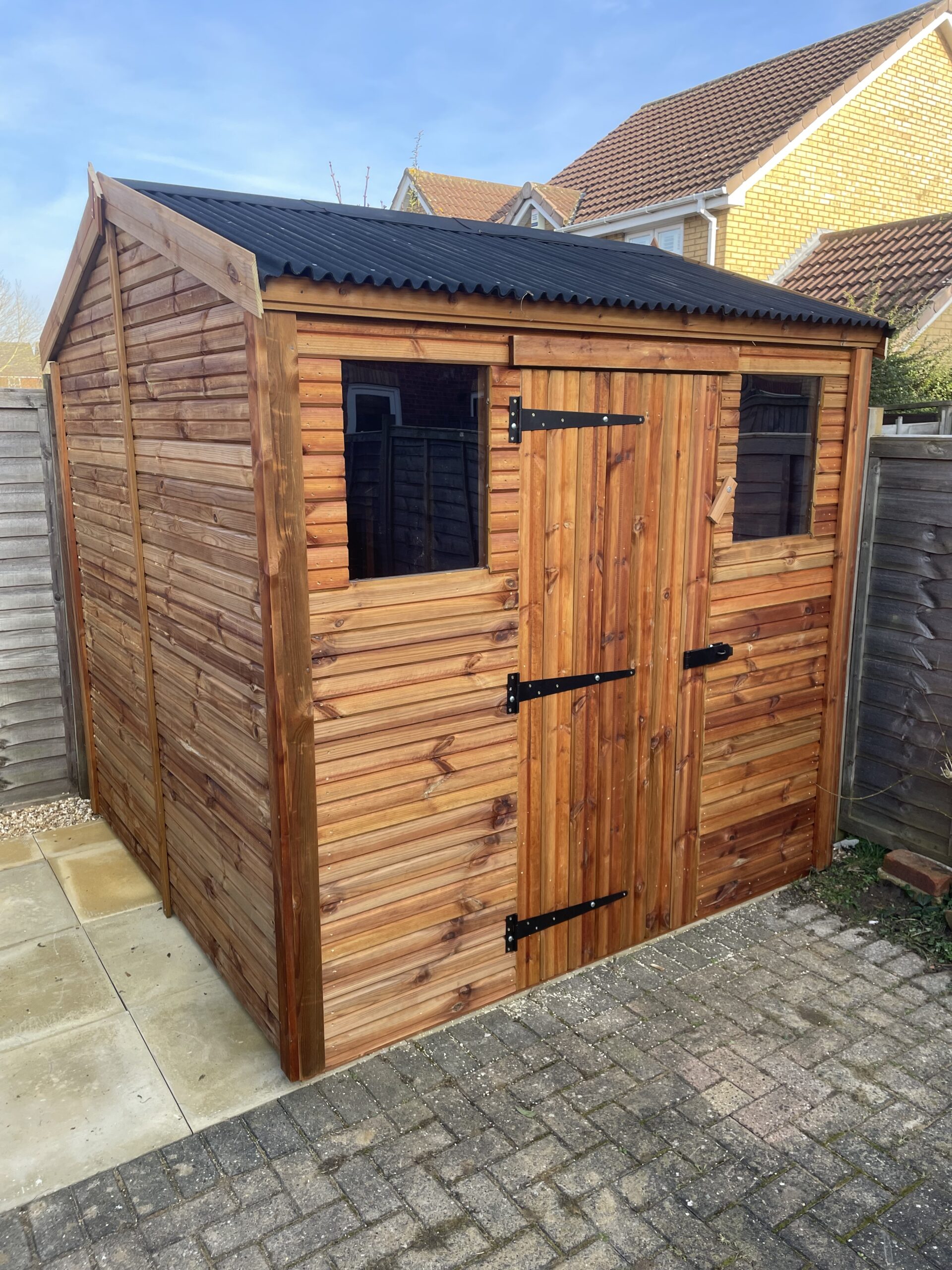
Small apex shed with onduline roofing and a single door

How to Felt a Shed Roof (UK Weather-Proofing Guide)

How to Felt a Shed Roof (UK Weather-Proofing Guide)

A properly felted shed roof is essential for keeping your building dry, protected, and long-lasting. In this guide, we explain exactly how to felt a shed roof, what materials to use, and how to avoid the most common mistakes.

Build Your Shed Installation Services

Why Felting a Shed Roof Is Important

Shed roofing felt acts as the main weather barrier, protecting timber panels from rain, frost, and long-term moisture damage. Without proper felting, even pressure-treated sheds can suffer rot and warping.

  • Prevents water ingress
  • Extends shed lifespan
  • Reduces timber movement
  • Improves overall weather resistance

Felted roofs are standard on most: Garden Sheds, Wooden Sheds and Security Sheds.

Wooden shed with felted roof installed correctly

What You Need to Felt a Shed Roof

  • Green mineral roofing felt or heavy-duty polyester felt
  • Galvanised clout nails or felt tacks
  • Hammer or roofing hammer
  • Sharp knife or utility blade
  • Timber battens for ridge capping (if applicable)

Quality materials make a big difference — cheaper felt often cracks within 1–2 winters.

Garden shed with felt roof fitted neatly along edges

How to Felt a Shed Roof (Step-by-Step)

  1. Prepare the roof: Ensure boards are dry, clean, and securely fixed.
  2. Start at the bottom edge: Roll out the felt horizontally with a slight overhang.
  3. Fix with clout nails: Nail every 150–200mm along the top edge.
  4. Overlap sections: Each layer should overlap the previous one by at least 75mm.
  5. Secure ridge section: Fold felt over the apex or use a separate ridge strip.
  6. Seal edges: Trim neatly and ensure edges are watertight.
Top tip: Always felt on a dry, mild day. Cold or damp conditions can cause the felt to shrink or lift later.
Timber shed with freshly installed felt roof

When Should You Replace Shed Felt?

  • Visible tears, cracks, or lifting edges
  • Water marks or damp inside the shed
  • Felt shrinking or curling back
  • Roof boards becoming exposed

If the structure itself is sound, refelting is far cheaper than replacing the entire shed.

Best Sheds for Felt Roofing

Felt roofing works particularly well on:

Looking for something more durable? Pressure Treated Sheds

Final Tips

A well-fitted felt roof can last 10–15 years when installed correctly. Regular checks after winter will help catch small issues before they become costly repairs.

Find Sheds Near You View Sheds on Sale

Back to Top
Product has been added to your cart
Compare (0)