If you're planning to install a garden shed, one of the most common questions is whether you
need a shed base on paving slabs. The answer depends on your shed size, ground conditions,
and how long you want it to last.
In most UK gardens, yes — a shed base made from paving slabs is recommended.
Slabs provide a stable, level platform that protects the shed from ground moisture and movement.
Prevents sinking and uneven floors
Reduces damp and rot in timber floors
Extends the life of your shed
If your shed is small and lightweight, alternatives like pressure-treated bearers may work —
but for anything over 6x4ft, a slab base is strongly recommended.
A slab base is one of the most reliable foundations for a garden shed. When installed correctly, it
prevents movement, improves longevity, and keeps your shed level for years.
In the UK, there’s no fixed legal limit on the number of sheds you can have.
What matters is whether your sheds (collectively) stay within permitted development rules
— mainly coverage, height, placement, and whether your home/location has restrictions.
You can have multiple sheds in your garden if (overall) they meet permitted development rules.
The most common “cap” is:
Coverage: outbuildings + extensions must not cover more than 50% of the land around the original house (excluding the footprint of the original house).
Height: typically 2.5m max if the shed is within 2m of a boundary; otherwise up to 4m (apex) or 3m (other roof types).
Position: sheds usually can’t be in front of the principal elevation of your house.
Restrictions: listed buildings, flats/maisonettes, conservation areas, and other designations can change the rules.
Think of it like a “rules checklist” rather than a number.
You could have one large shed or several smaller sheds — and both can be fine —
as long as the combined footprint and overall heights/locations stay within the rules.
A larger shed can use up your “allowed coverage” quickly — but can replace multiple smaller units if you need one main storage/work space.
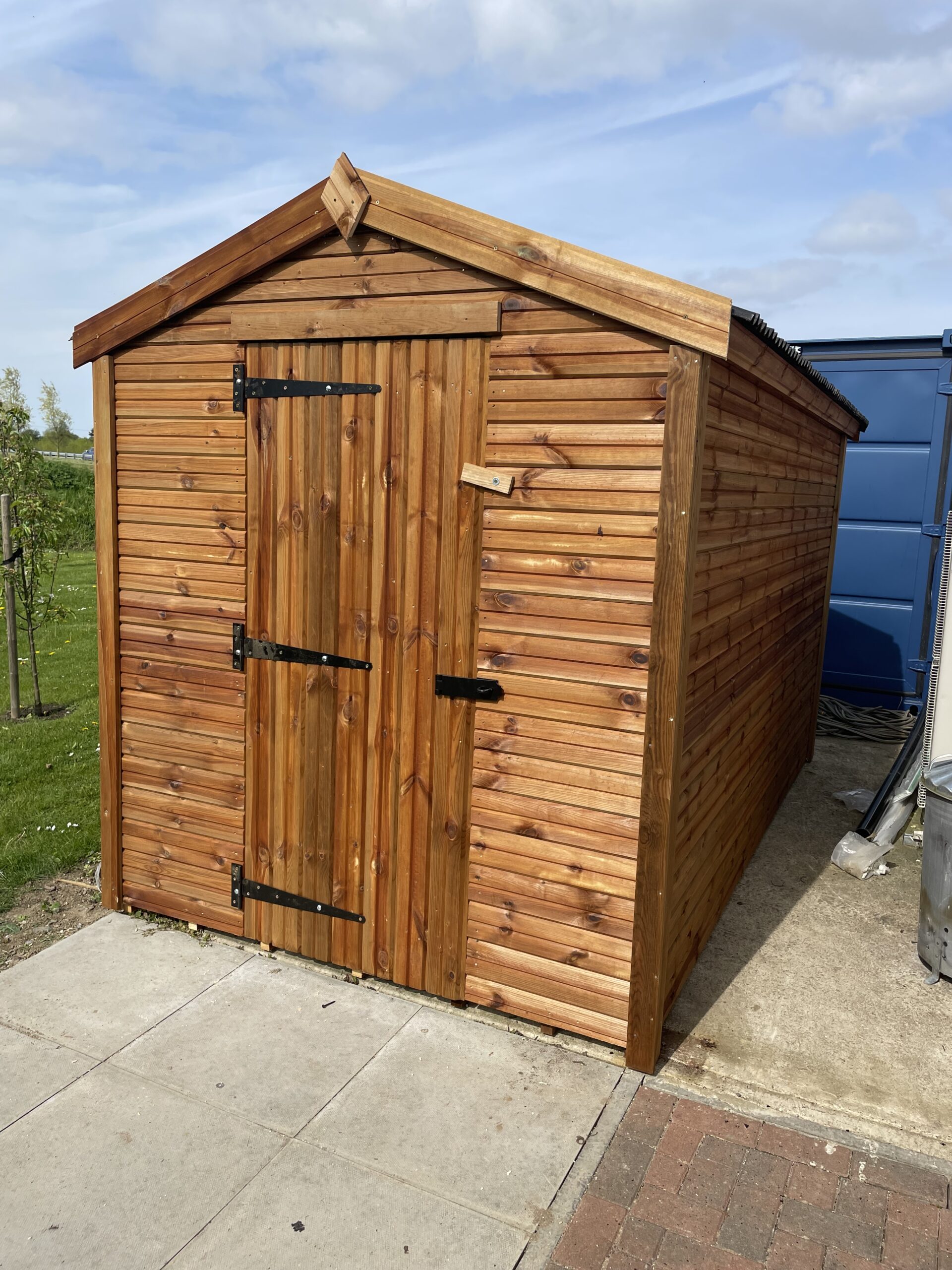
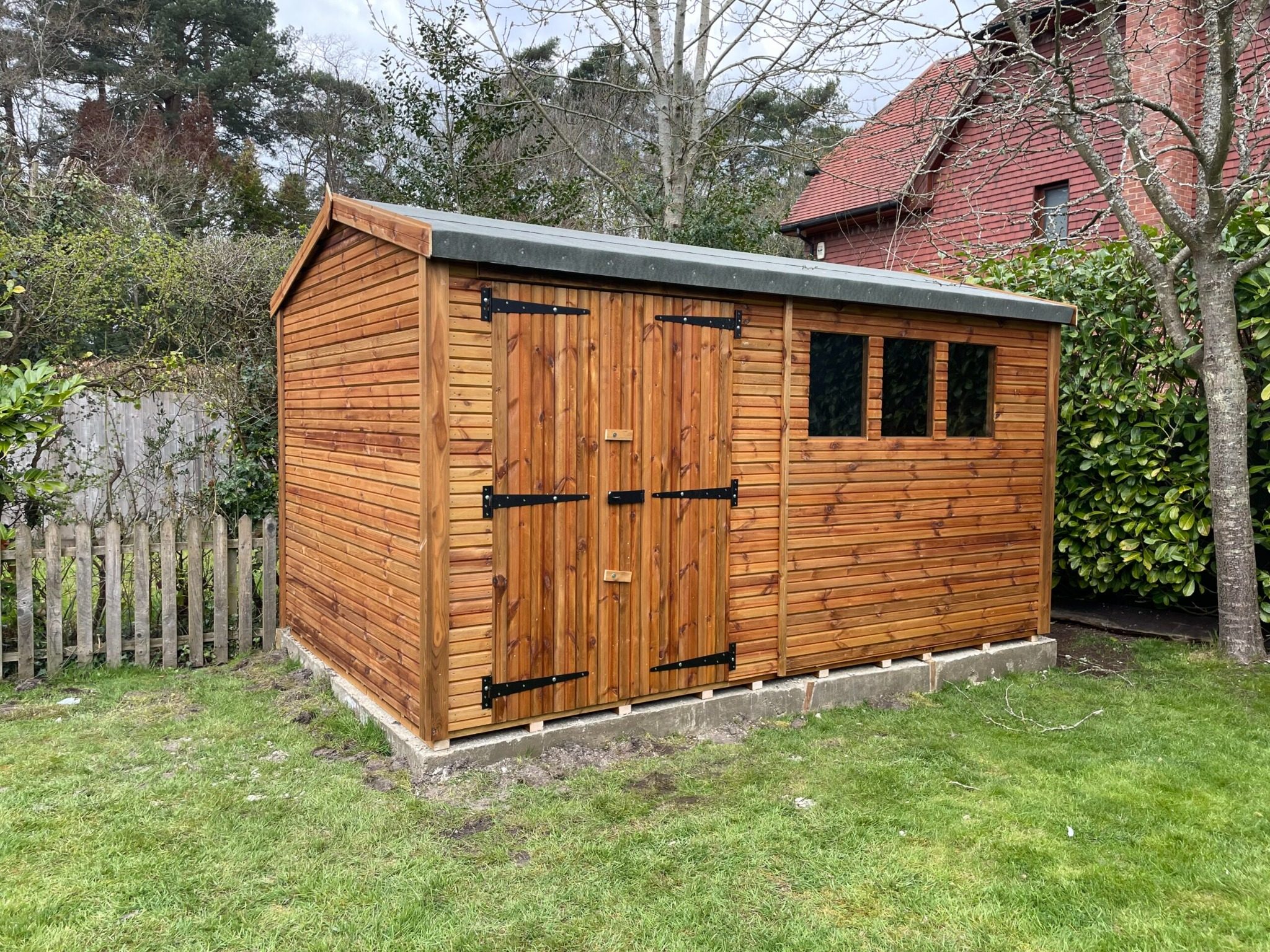
Explore options: Garden sheds or Wooden sheds.
A dedicated security shed can free up space in your main shed.
See: Security sheds and Heavy duty sheds.
Permitted development rules (most common UK scenario)
For many homeowners, sheds count as outbuildings. Outbuildings can often be installed without full planning permission
if they meet permitted development limits and conditions.
1) The 50% coverage rule (this is the big one)
The government guidance explains that the total ground area covered by buildings (outbuildings + additions) within the curtilage
must not exceed 50% of the curtilage (excluding the original house). This is why the “how many sheds” answer is usually:
“as many as fit under the 50% rule.”
(Source: GOV.UK permitted development technical guidance)
2) Height rules (especially near boundaries)
Common limits include:
Within 2m of a boundary: maximum overall height is typically 2.5m.
More than 2m from a boundary: up to 4m for an apex roof or 3m for other roof types (including pent roofs).
Front garden / principal elevation: outbuildings generally aren’t permitted in front of the principal elevation.
Designated land: National Parks, AONBs, conservation areas, etc. can limit what’s allowed.
Listed buildings: outbuildings in the curtilage may require planning permission.
Flats & maisonettes: permitted development allowances differ (often not available).
Tip: If you’re planning multiple sheds, choose lower-profile roof styles for boundary edges.
Browse roof styles: Apex sheds and Pent sheds.
Do building regulations apply to sheds in the UK?
Building regulations are a separate question from planning permission.
In many cases, small detached outbuildings are exempt, especially when used as a shed/summerhouse with no sleeping accommodation,
and depending on size and boundary distance/materials.
Under 15m²: often exempt (typical guidance says building regs “will not normally apply”).
15m²–30m²: may be exempt if there’s no sleeping accommodation and the building is at least 1m from a boundary (or constructed substantially of non-combustible materials).
If you’re adding more than one structure, prioritise robust materials and secure fixings for longevity.
Explore: Heavy duty sheds and Large wooden sheds.
Practical layout tips (so multiple sheds still look great)
Split by purpose: one for tools/storage, one for bikes/motorbikes, one as a workshop.
Keep taller apex sheds away from boundaries (helps with height limits and shading).
Use a “service lane”: leave 60–90cm behind sheds for maintenance and airflow where possible.
Match cladding/colour: repeating finishes makes separate sheds look intentional.
Think access first: if you can’t wheel something in/out easily, you’ll stop using the space.
Budget build: spread storage across two smaller units from cheap sheds rather than one oversized shed.
Smaller sheds are ideal for “zoning” your garden storage.
Browse: Small sheds and Medium sheds.
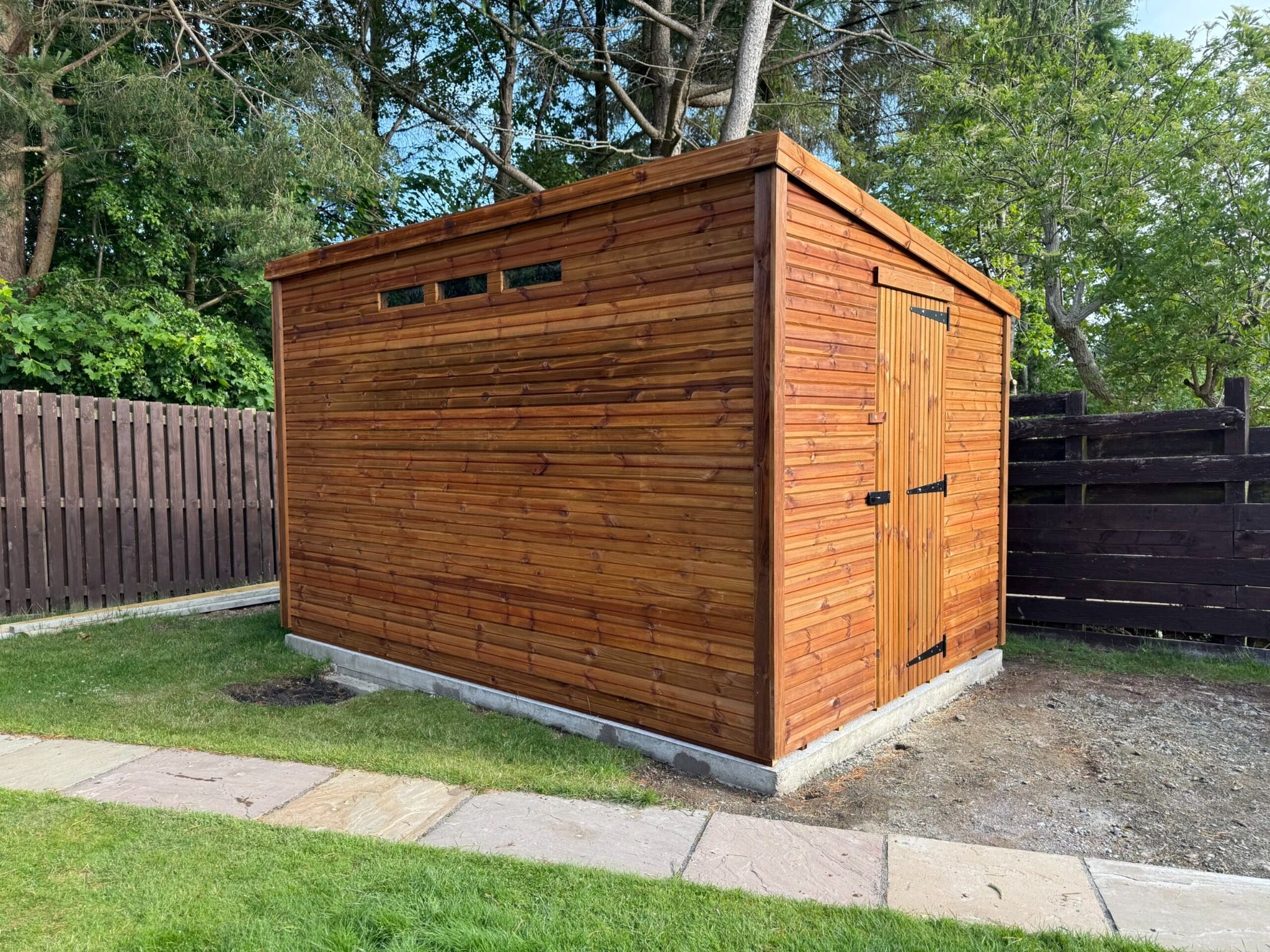
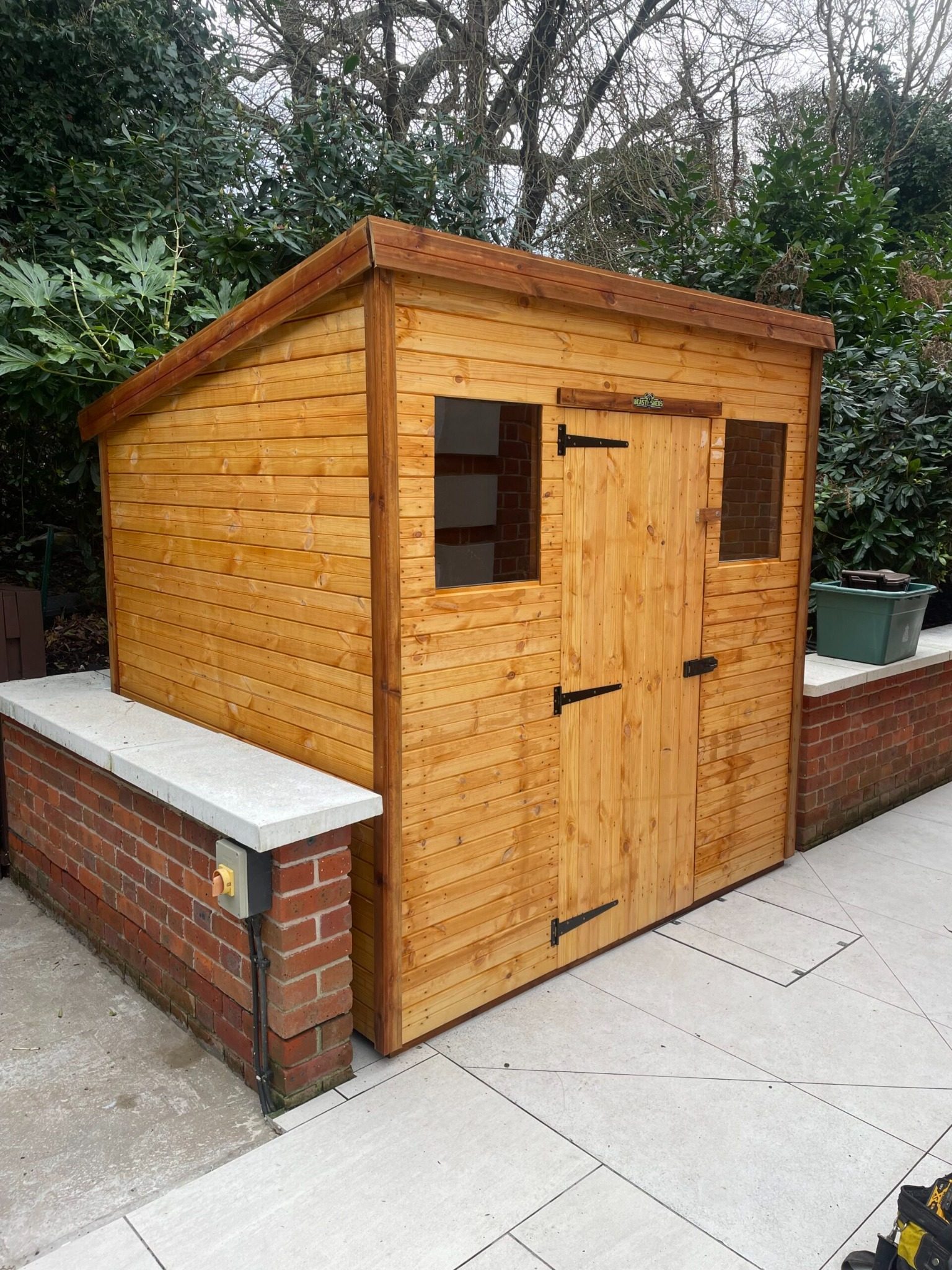
A pent shed can be a smart choice near boundaries due to lower roof profiles (check height limits).
Shop: Pent sheds or Pressure treated sheds.
Is there a maximum number of sheds allowed in a UK garden?
Usually there’s no set number. The “limit” is whether your sheds (in total) stay within permitted development rules,
especially the 50% coverage rule, height limits, and placement restrictions.
If you exceed those limits, you may need planning permission.
Can I put two sheds right next to each other?
You can, but treat it like one larger mass: check total footprint, boundary height rules, access for maintenance,
and drainage/ground preparation. If the combined setup pushes you over permitted development limits, you may need permission.
Do I need planning permission for a shed used as a workshop?
A workshop that’s incidental to the enjoyment of the house is often treated as an outbuilding.
If it stays within permitted development limits, it may not need planning permission — but always check restrictions for your property and area.
For official guidance, use the Planning Portal outbuildings page linked above.
Will adding multiple sheds affect selling my house?
It can if something was built without required permissions or breaches rules. Keep purchase/installation documents,
measure footprints, and keep a simple plan showing distances and heights for peace of mind.