FREE Fitting & Delivery in England and Wales
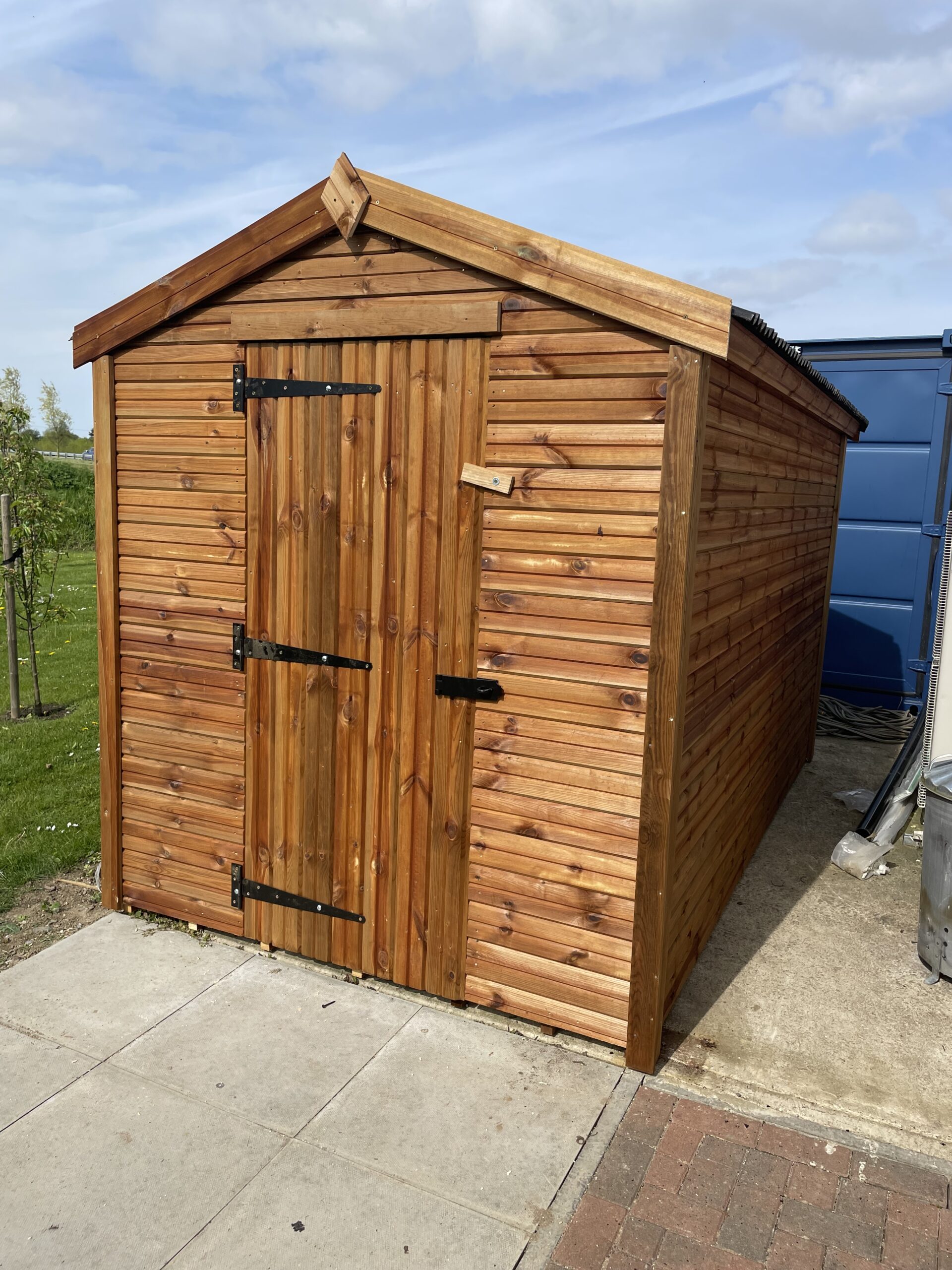
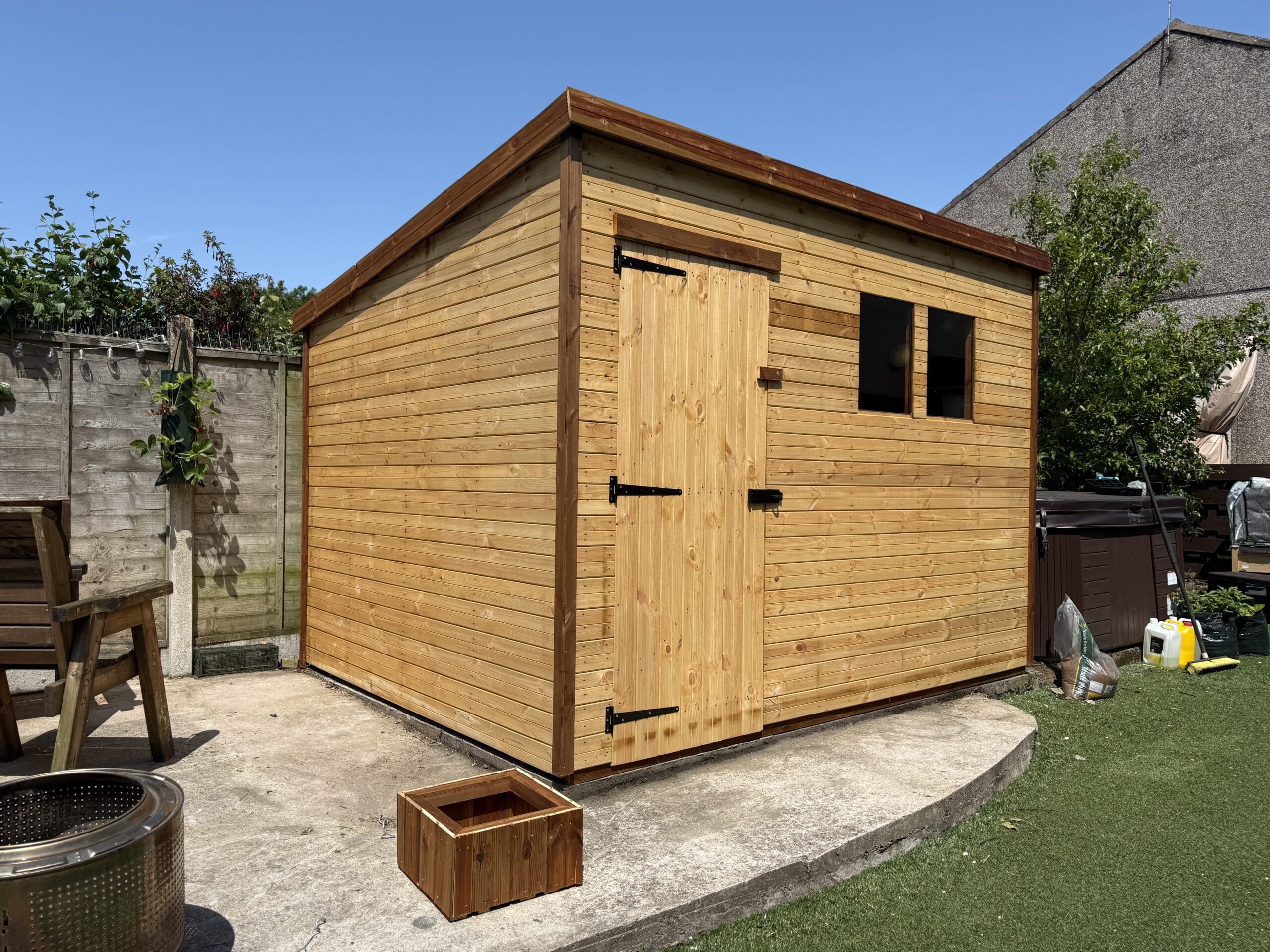
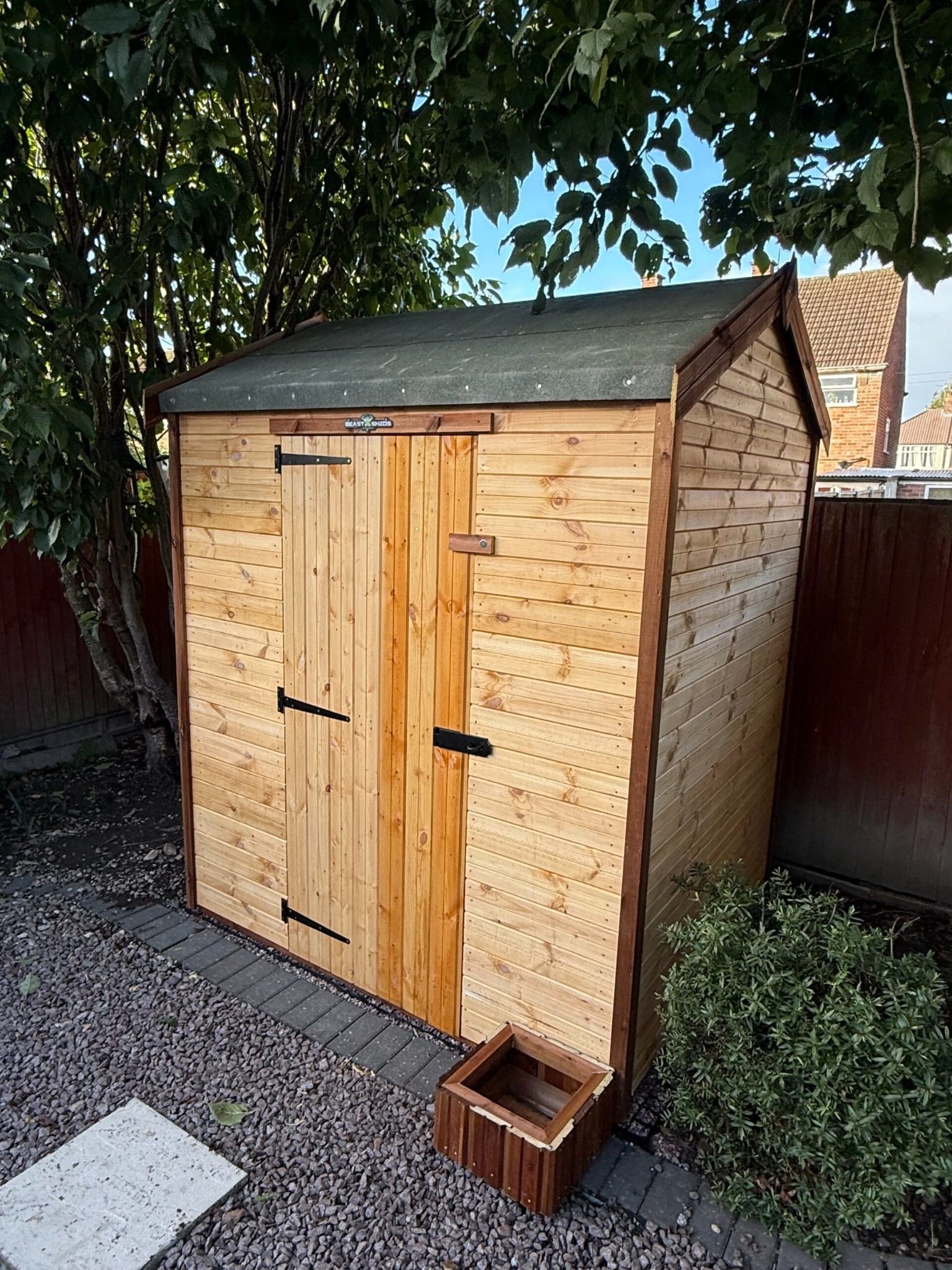
Small apex shed with a single door and onduline roofing

Do I Need a Shed Base on Slabs? (UK Advice & Best Practice)

Do I Need a Shed Base on Slabs? (UK Advice)

If you're planning to install a garden shed, one of the most common questions is whether you need a shed base on paving slabs. The answer depends on your shed size, ground conditions, and how long you want it to last.

Design Your Shed Installation Services

Do You Need a Shed Base on Slabs?

In most UK gardens, yes — a shed base made from paving slabs is recommended. Slabs provide a stable, level platform that protects the shed from ground moisture and movement.

  • Prevents sinking and uneven floors
  • Reduces damp and rot in timber floors
  • Extends the life of your shed

If your shed is small and lightweight, alternatives like pressure-treated bearers may work — but for anything over 6x4ft, a slab base is strongly recommended.

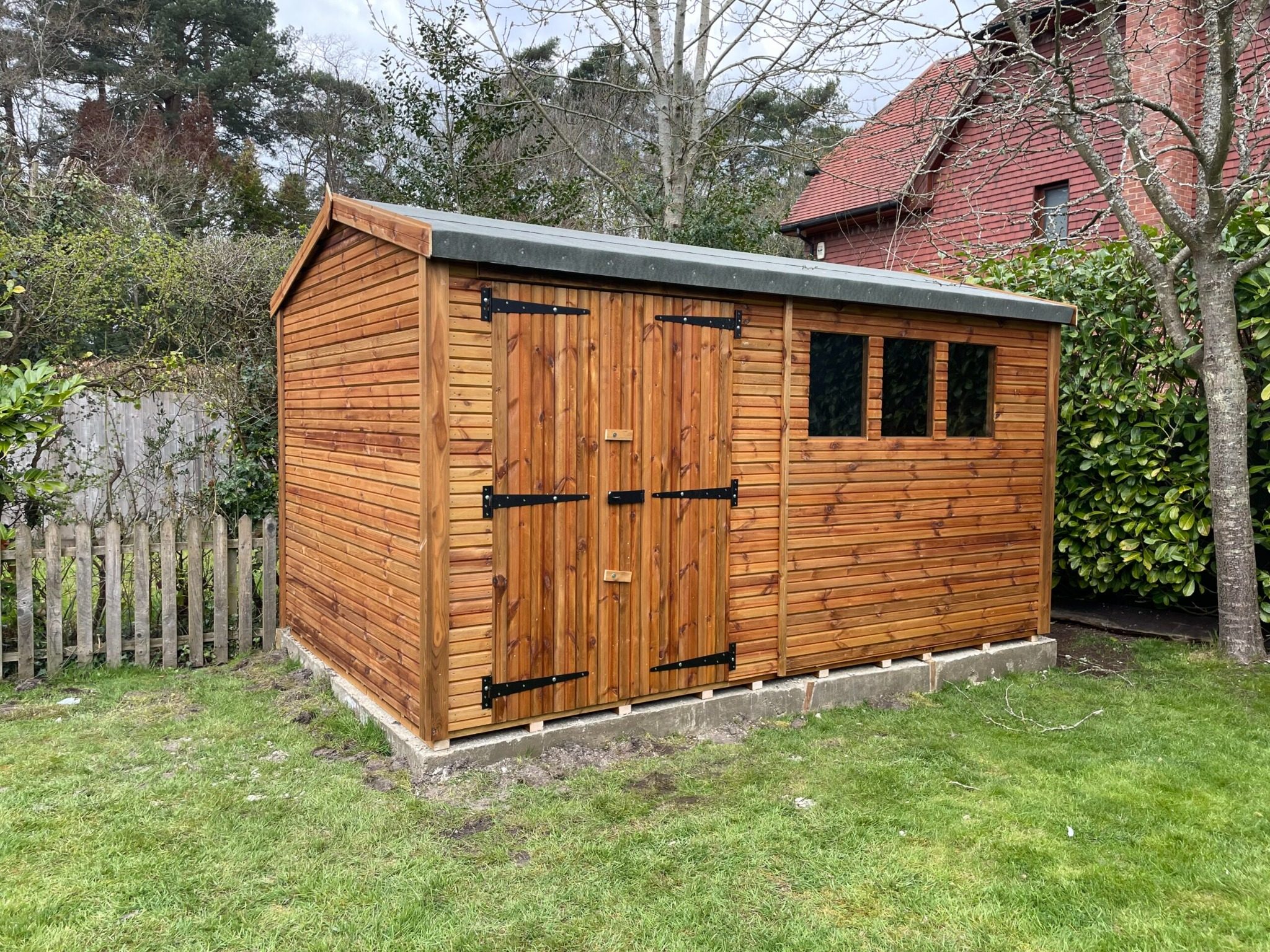
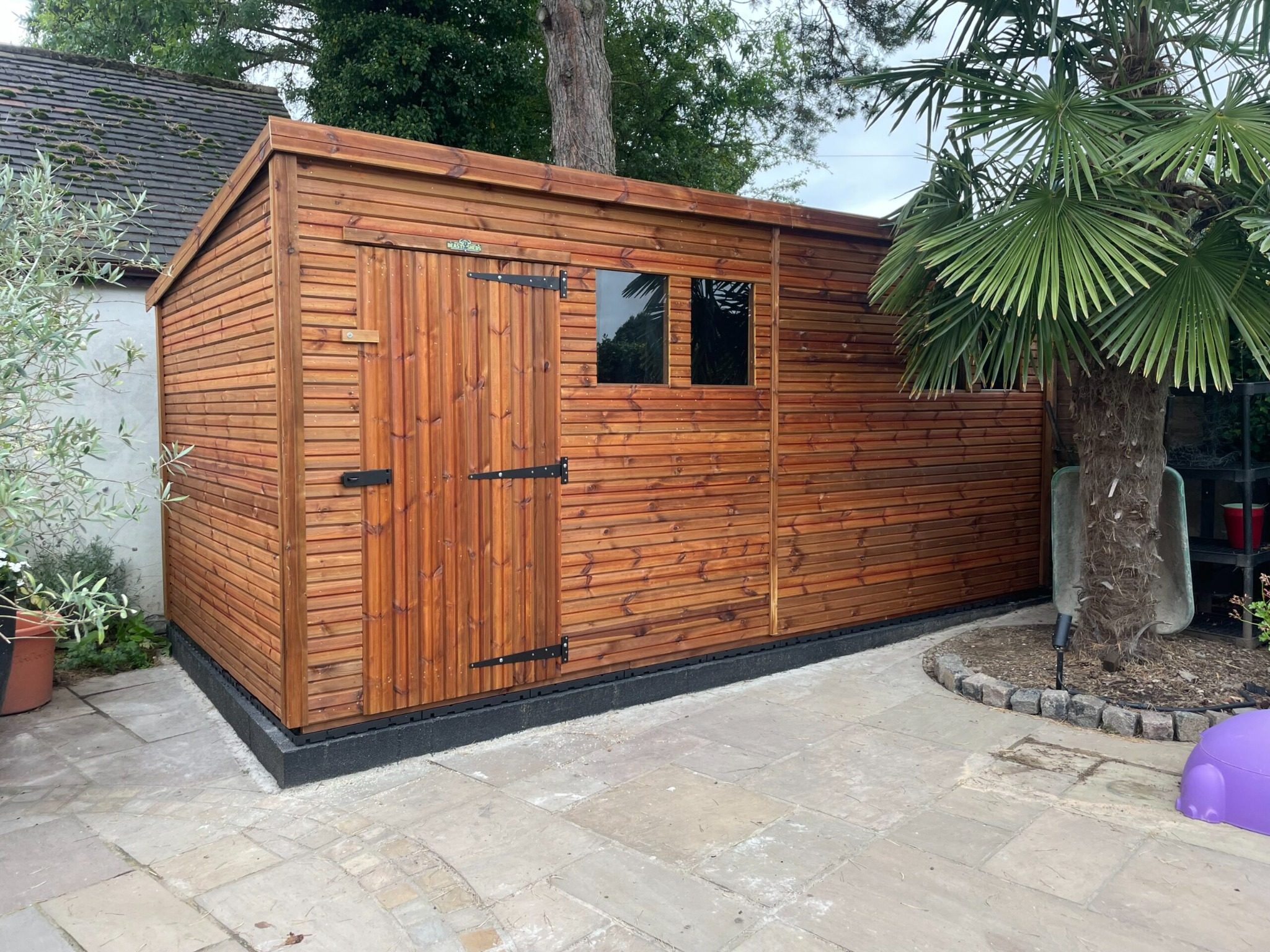
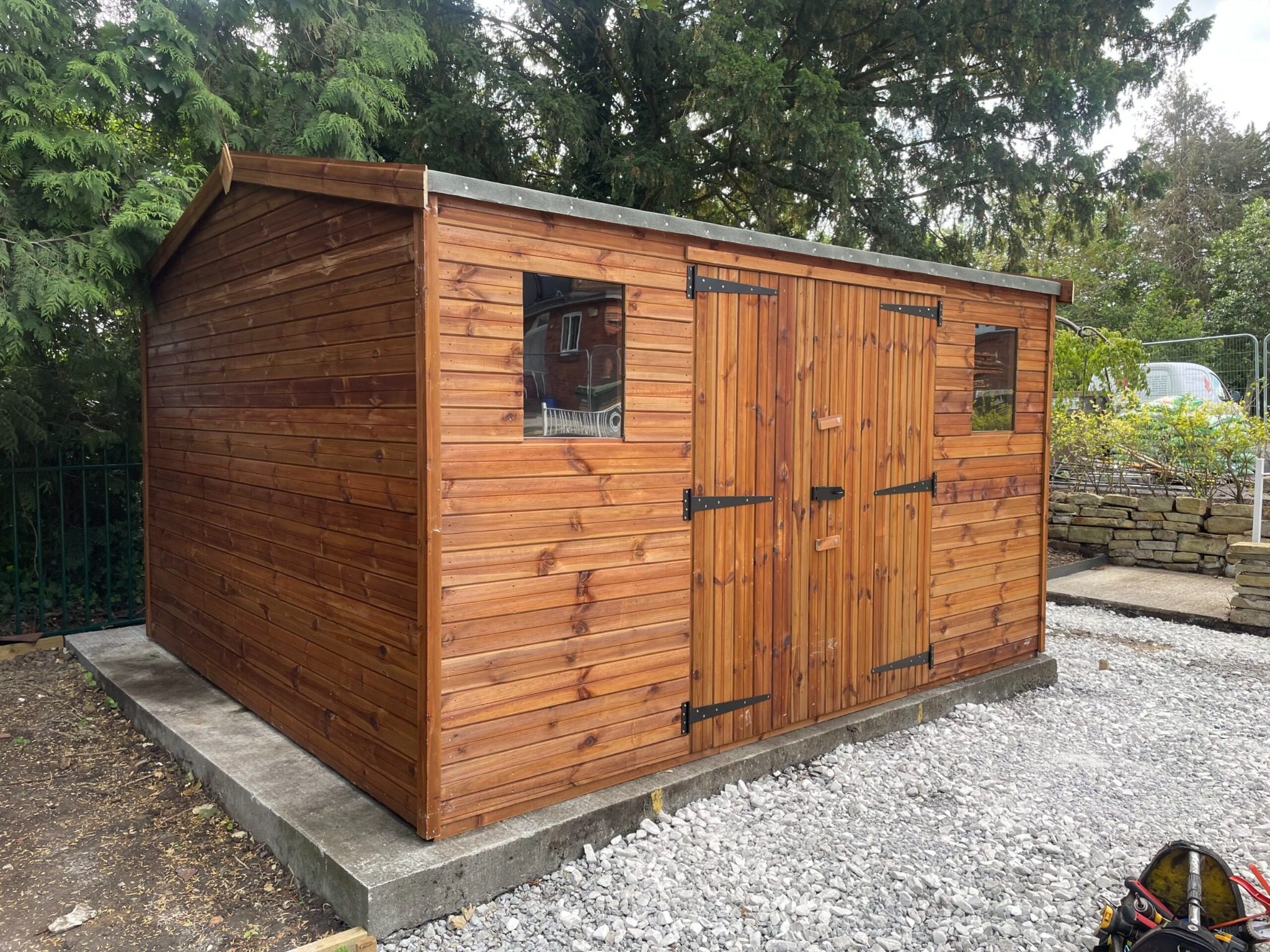
Large wooden shed installed on paving slab base

When a Slab Base Is the Best Choice

  • Medium to large garden sheds
  • Workshops or storage sheds with heavy contents
  • Uneven or soft garden ground
  • Areas with poor drainage

Ideal for: Workshop Sheds, Large Sheds and Security Sheds.

12x8 wooden shed on paving slab base

How Thick Should a Slab Base Be?

Layer Recommended Depth
Excavation 150–200mm
Type 1 Sub-base 100mm (compacted)
Sand or Mortar Bed 25–40mm
Paving Slabs 35–50mm

For official installation guidance, see: Paving Expert – Laying Flags

Do I Need a Base for All Sheds?

Not always — but for most sheds, a solid base is strongly recommended.

  • Small tool sheds: Can sometimes sit on treated bearers.
  • Medium sheds: Best on slabs or concrete.
  • Large or heavy sheds: Require a solid slab or reinforced base.

Browse suitable options: Small Sheds | Medium Sheds | Large Sheds

Common Mistakes to Avoid

  • Skipping the sub-base entirely
  • Placing slabs directly on soil
  • Not checking for level in multiple directions
  • Installing the shed before the base has settled

If you want a professional finish, consider our full service: Delivery & Installation

Recommended Shed Types for Slab Bases

Slab bases work particularly well with:

Final Advice

A slab base is one of the most reliable foundations for a garden shed. When installed correctly, it prevents movement, improves longevity, and keeps your shed level for years.

Find Sheds Near You View Sheds on Sale

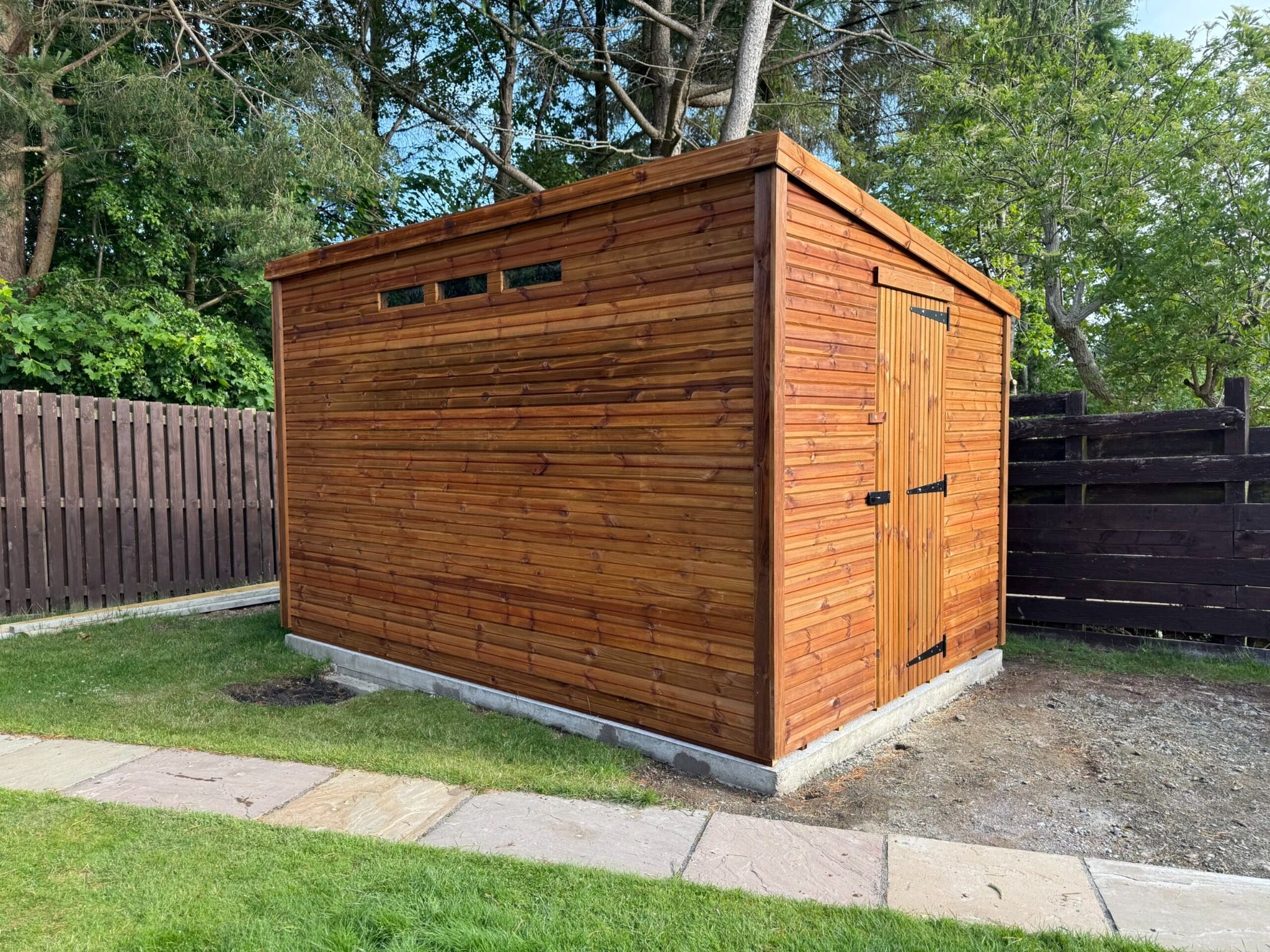
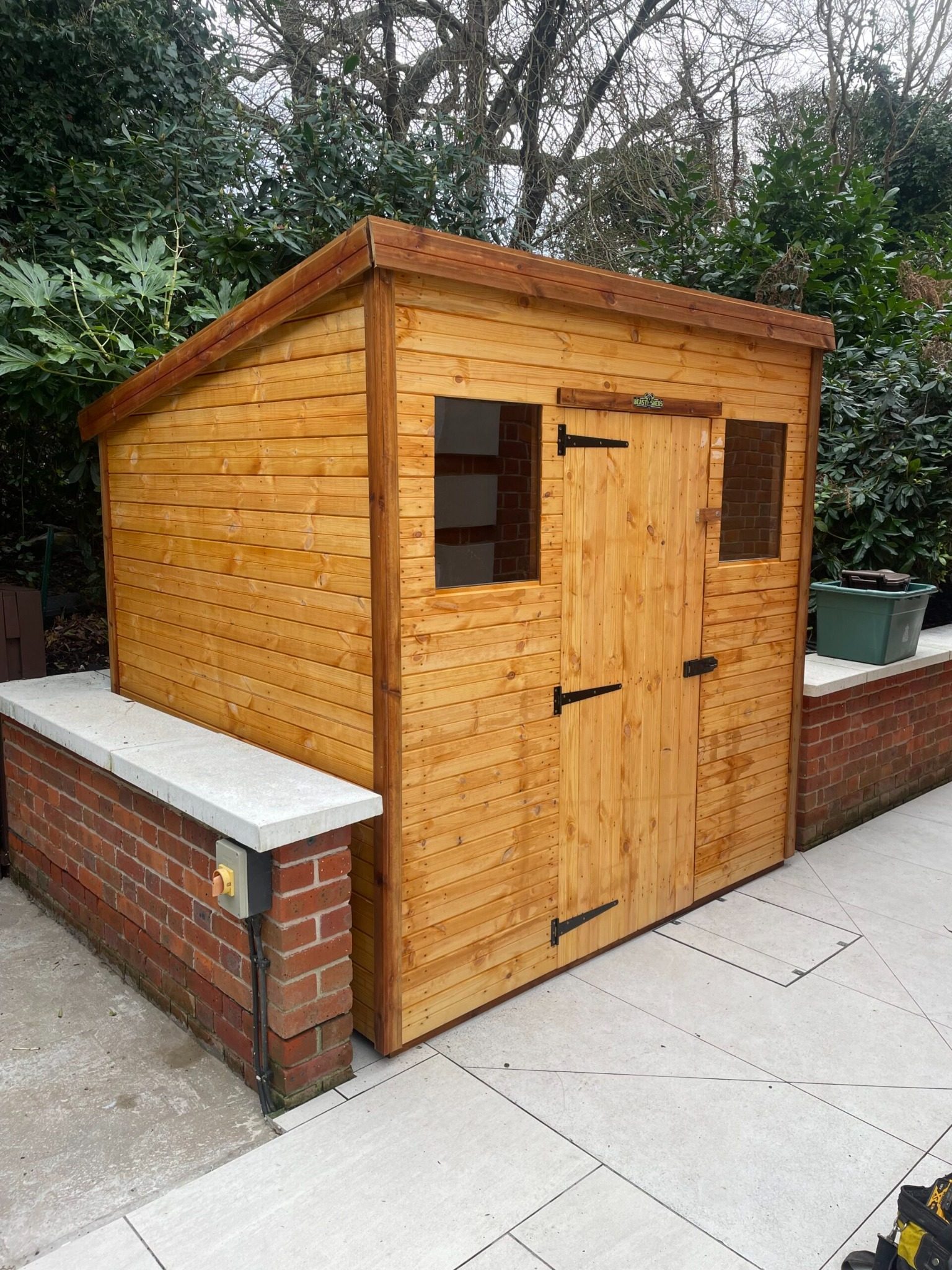
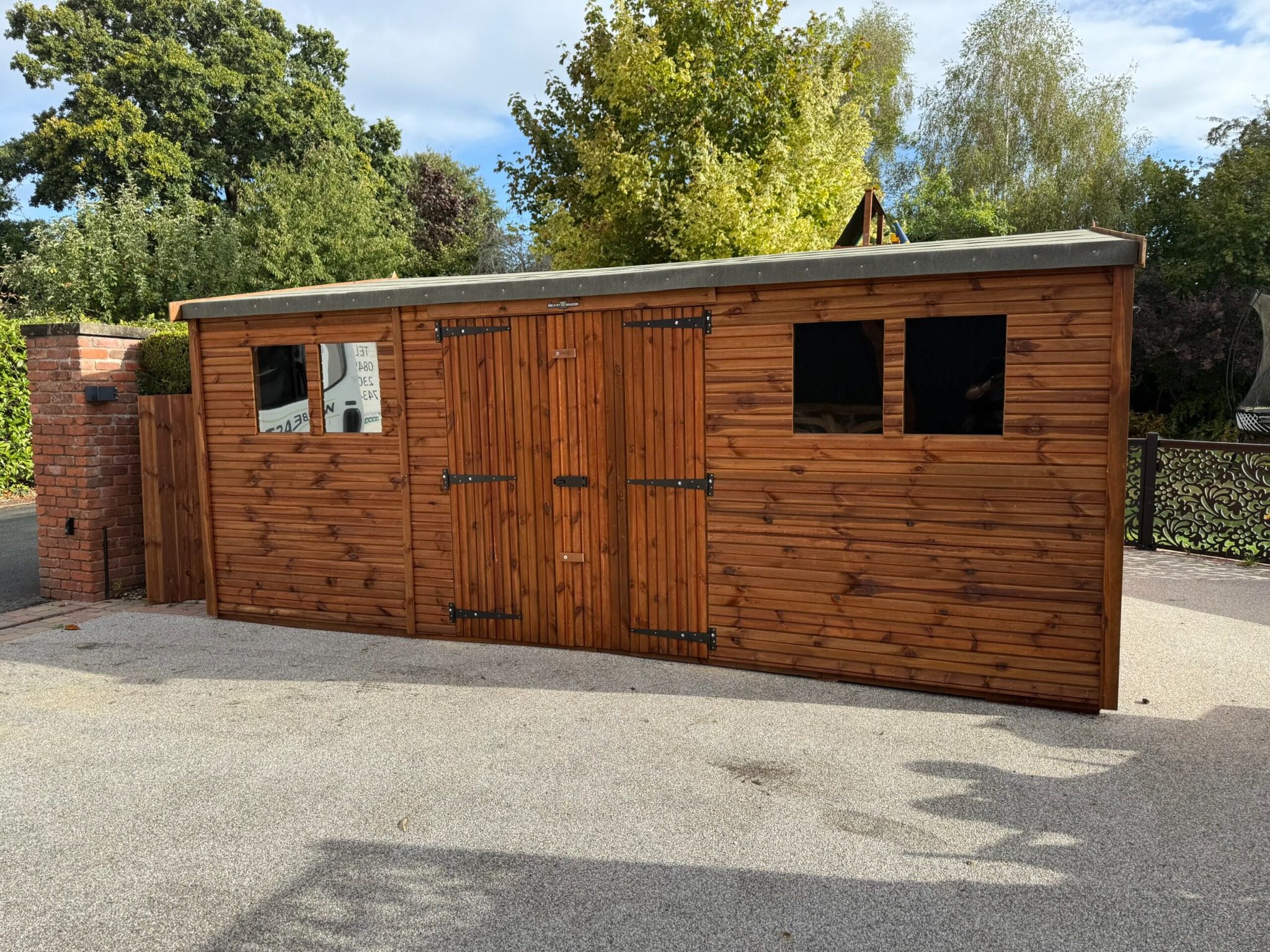
A small pent garden shed with 3 windows and a single door

How to Build a Shed Base With Paving Slabs (UK Guide)

UK DIY Guide • Paving Slab Base

How to Build a Shed Base With Paving Slabs (UK Guide)

A paving slab shed base is a popular UK option because it’s neat, durable, and doesn’t require pouring a full concrete slab. The secret is simple: great ground prep + perfect levelling. This guide shows you the most reliable method used for garden sheds across the UK.

Design Your Shed Delivery & Installation

In this guide

  1. Why choose paving slabs for a shed base?
  2. UK base specs (depths, layers & sizes)
  3. Tools & materials checklist
  4. Step-by-step: build a slab base
  5. Common mistakes (and how to avoid them)
  6. FAQ
Pro tip: The base should be the shed footprint + 50–75mm extra all around. That overhang helps keep rain splash and mud away from the shed walls.
10x8 pent shed with door and two windows in a garden - stable shed starts with a level slab base
A level slab base prevents sticking doors, twisted frames, and pooling water under the shed.

Why choose paving slabs for a shed base?

Paving slabs are ideal if you want a clean finish and a firm, long-lasting platform without the cost and mess of a full concrete pour. A well-built slab base:

  • Creates a flat, stable surface for your shed floor and bearers
  • Can be built in stages (weekend-friendly)
  • Looks tidy and makes it easier to keep the shed perimeter clear

If you’re ever unsure about whether your shed/outbuilding needs permission, start with official guidance: Planning Portal – Outbuildings and GOV.UK – Permitted development technical guidance.

7x6 timber pent shed side angle with secure hinges - airflow under shed base reduces damp
Even on slabs, using bearers helps airflow and reduces damp risk under the floor.

UK slab base specs (depths, layers & sizes)

These specs suit most UK gardens and typical timber sheds. Soft ground, slopes, or heavier buildings may need extra depth and reinforcement.

Layer What to use Typical thickness
Excavation Remove turf/topsoil to firm ground Usually 150–200mm total depth (depending on slab thickness)
Sub-base MOT Type 1 (well compacted) ~100mm (more on softer ground)
Bedding layer Mortar bed or sharp sand/grit bedding* 25–40mm
Paving slabs Concrete paving flags Varies (often 35–50mm)
Bedding choice: Many UK installers prefer a full mortar bed for best support and fewer rocking slabs. For manufacturer installation principles (excavation, sub-base, bedding, levels), see: Marshalls – Concrete paving installation guidelines (PDF) .

For extra reading on practical slab laying techniques (sub-base, bedding, levelling), this is a widely used reference: Pavingexpert – How to lay flags and slabs.

Tools & materials checklist

Materials

  • Geotextile membrane (weed control + separation)
  • MOT Type 1 sub-base
  • Sharp sand / grit sand and cement (if using mortar)
  • Paving slabs (choose a size that fits your shed footprint neatly)
  • Timber boards for edging (optional but helpful for clean lines)

Tools

  • Spade, rake, wheelbarrow
  • Compactor plate (best) or hand tamper
  • Spirit level (long), straight edge, string line
  • Rubber mallet

Ordering a new shed soon? Start here: Shop All Sheds Pent Sheds Apex Sheds

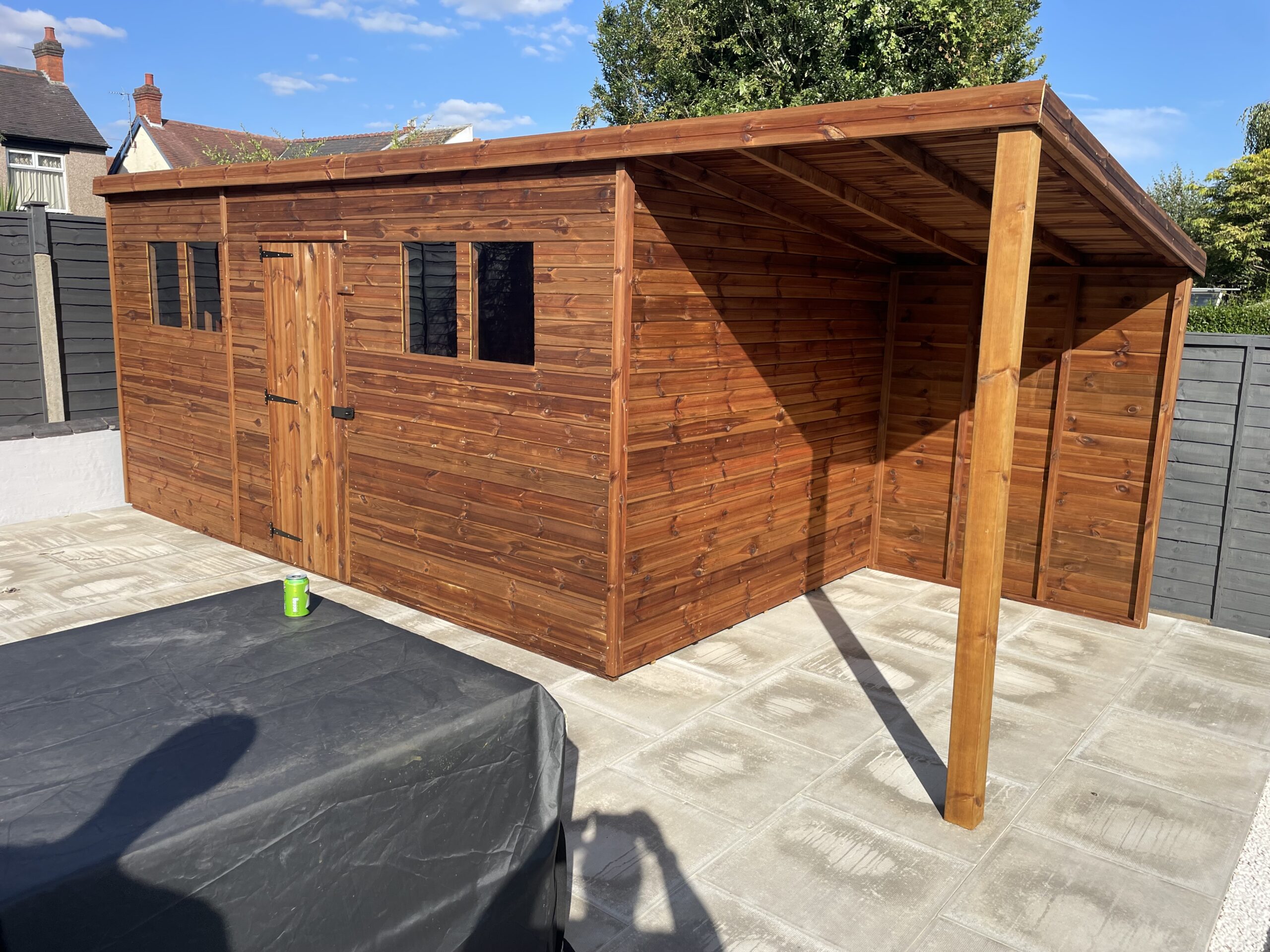
15x8 pent shed with extension and multiple windows - larger sheds benefit from careful slab base levelling
Larger sheds highlight small base errors—take your time on compaction and levelling.

Step-by-step: How to build a shed base with paving slabs

1) Mark out the area

Peg out the footprint and add 50–75mm all around. Use string lines and check squareness by measuring diagonals.

2) Excavate to firm ground

Remove turf and soft topsoil. Dig deep enough for: sub-base + bedding + slab thickness. On many UK gardens this is around 150–200mm total.

3) Lay membrane + sub-base

Lay a geotextile membrane, then add MOT Type 1 in layers and compact thoroughly. Poor compaction is the #1 reason slab bases sink or go out of level.

4) Add bedding layer

Add a 25–40mm bedding layer. Many DIYers use sharp sand; many professionals use a full mortar bed for best support. Either way, your goal is a consistent, level bedding plane.

5) Lay slabs and level as you go

Start from one corner, place each slab, and tap into level with a rubber mallet. Keep checking:

  • Front-to-back level
  • Side-to-side level
  • Diagonals (to avoid twist)

6) Final checks + install shed on bearers

Re-check the whole base with a long straight edge. When installing the shed, use treated bearers where possible to reduce moisture transfer and improve airflow.

Quick quality test: Place your straight edge across multiple slabs—if you can see daylight under it, you’ve got low/high spots that can cause the shed floor to rock.

Want an easy, done-for-you option? Book Delivery & Installation

Common mistakes (and how to avoid them)

Mistake What happens Fix
Skipping membrane Sub-base mixes with soil, base settles, weeds push through Install a proper geotextile layer before Type 1.
Not enough compaction Slabs rock or sink over time Compact Type 1 in layers; don’t rush.
Base too small Mud splash, damp lower cladding, poor drainage Make the base 50–75mm larger all around.
Base not level Doors stick, frames twist, felt/cladding strains Level the base (not the shed). Check diagonals and use a straight edge.

If you’re installing something heavier (workshop, motorbike, or security shed), browse: Workshop Sheds Motorbike Sheds Security Sheds

FAQ: Paving slab shed bases

Do paving slabs need mortar for a shed base?

A full mortar bed usually gives the best support and reduces rocking slabs. Sharp sand can work for lighter sheds, but prep and compaction matter more than anything.

How deep should I dig for a slab shed base?

Dig deep enough for sub-base + bedding + slab thickness. For many UK gardens this is around 150–200mm total, depending on your slab thickness and ground conditions.

Is a slab base good for larger sheds?

Yes—if the sub-base is thick enough and properly compacted. For large sheds, take extra care levelling and consider a heavier-duty sub-base build-up.

Do I need planning permission for a shed?

Often no, but it depends on size, height, and location. Check: Planning Portal and GOV.UK technical guidance.

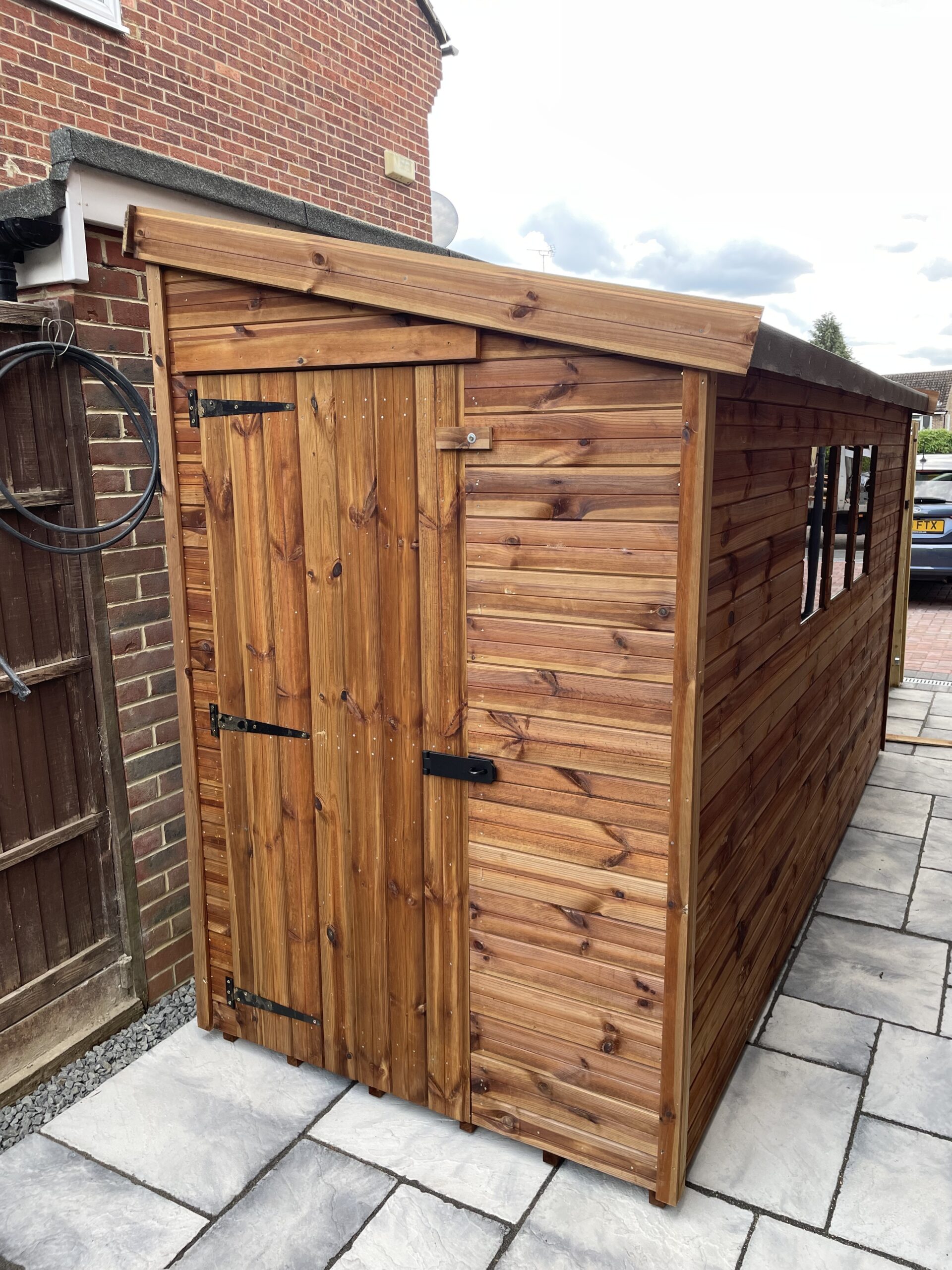
Side angle of a heavy duty pent garden shed with a single door and two windows

How Thick Should a Concrete Shed Base Be? (UK Guide & Specifications)

How Thick Should a Concrete Shed Base Be?

The correct concrete thickness is essential for keeping your shed stable, level, and protected from long-term movement. This guide explains exact slab depths, reinforcement advice, and UK best practice for building a concrete shed base.

Design Your Shed Installation Services

Recommended Concrete Thickness for Shed Bases

Shed Size / Use Concrete Thickness
Small sheds (6x4, 7x5) 100mm (4")
Medium sheds (8x6, 10x8) 100–125mm
Large or heavy-duty sheds 125–150mm + reinforcement
Workshops / motorcycle sheds 150mm reinforced concrete
Tip: For sheds storing machinery or motorbikes, reinforcing mesh (A142) dramatically improves strength and longevity.
Large wooden shed installed on a concrete base

How to Build a Concrete Shed Base (Step-by-Step)

  1. Mark out the shed footprint, allowing 50–75mm extra on each side.
  2. Excavate to around 150–200mm depth.
  3. Lay and compact a MOT Type 1 sub-base.
  4. Install timber shuttering to form the slab edge.
  5. Add a damp-proof membrane (DPM).
  6. Pour concrete and level with a straightedge.
  7. Allow 7–28 days curing before installing your shed.

Official UK construction guidance: Designing Buildings – Concrete

Large apex shed installed on a concrete base

Which Sheds Need a Concrete Base?

Concrete Base Cost in the UK

Item Typical Cost
Concrete (per m²) £60 – £90
Ground preparation £20 – £40 per m²
Professional installation £150 – £250 per day

View Sheds on Sale

Frequently Asked Questions

Can I pour concrete directly onto soil?
No — always use a compacted sub-base and membrane to prevent cracking and movement.

How long should concrete cure before installing a shed?
Minimum 7 days, ideally 28 days for full strength.

Do I need planning permission?
Usually not, but always check: Planning Portal guidance.

Next Steps

Once your base is complete, choose the right shed for your garden:

Browse Garden Sheds Wooden Sheds Find Sheds Near You

Wooden shed with double doors.

How to Build a Concrete Shed Base (UK Thickness, Cost & Specs)

How to Build a Concrete Shed Base (UK Thickness, Cost & Specs)

A properly built concrete shed base is the strongest and longest-lasting foundation for any garden building. In this guide, we explain exact thickness requirements, costs, UK building best practices, and when a concrete base is the right choice for your shed.

Design Your Shed Installation Services

When Do You Need a Concrete Shed Base?

A concrete base is recommended when installing:

  • Large or heavy garden buildings
  • Workshops or insulated garden rooms
  • Motorbike or security sheds
  • Sheds on sloped or soft ground

Explore suitable buildings here: Heavy Duty Sheds | Motorbike Sheds | Garden Rooms

Large wooden shed installed on a concrete base

Concrete Shed Base Thickness (UK Standards)

Shed Type Recommended Concrete Thickness
Small sheds (6x4 – 8x6) 100mm (4 inches)
Medium sheds (10x8 – 12x8) 100–125mm
Large / Heavy-duty sheds 125–150mm + reinforcement
Tip: For heavy buildings, install A142 steel mesh within the concrete slab for strength and crack resistance.

Step-by-Step: How to Build a Concrete Shed Base

  1. Mark out the area – allow 50–75mm extra on each side.
  2. Excavate to around 150–200mm depth.
  3. Add MOT Type 1 sub-base and compact thoroughly.
  4. Build shuttering using timber boards.
  5. Lay damp-proof membrane (DPM).
  6. Pour concrete, level using a straightedge.
  7. Allow to cure for at least 7 days (28 days ideal).

UK guidance on concrete strength and curing: Designing Buildings – Concrete

Large apex shed installed on a concrete base

Concrete Base Cost in the UK

Item Typical Cost
Concrete (per m²) £60 – £90
Ground preparation £20 – £40 per m²
Labour (if hired) £150 – £250 per day

Want a hassle-free solution? Professional Installation

Best Sheds to Install on a Concrete Base

Concrete bases are ideal for heavier buildings such as:

View All Sheds on Sale

Frequently Asked Questions

How long should concrete cure before installing a shed?
Minimum 7 days, ideally 14–28 days for full strength.

Can I install a shed directly on concrete?
Yes, but we recommend pressure-treated bearers to improve airflow and prevent moisture transfer.

Is planning permission required?
Usually no, but check official guidance: Planning Portal

Ready to Build?

Whether you're installing a small garden shed or a large workshop, the right base ensures decades of durability.

Find Sheds Near You Build Your Shed Online

small apex standard wooden garden shed with a single door

How to Make a Shed Base Without Concrete (UK Methods)

UK Guide • No Concrete Needed

How to Make a Shed Base Without Concrete (UK Methods)

Want a solid shed foundation without mixing, pouring, or waiting for concrete to cure? Below are four proven, UK-friendly ways to build a shed base without concrete—with step-by-step instructions, drainage tips, and common mistakes to avoid.

If you’re still choosing the right building, start here: Build Your Shed Delivery & Installation

What you’ll learn

  1. When a no-concrete base is best
  2. Ground prep (the part that matters most)
  3. Method 1: Gravel base + timber frame
  4. Method 2: Dry-laid paving slab base
  5. Method 3: Plastic grid foundation
  6. Method 4: Blocks + treated bearers
  7. Mistakes that cause shed floors to rot or twist
  8. FAQ
Quick rule: Your shed base should be level, firm, and slightly raised with good drainage. Most “base problems” are actually prep problems.
10x8 pent shed with a single door and two windows installed in a garden - example of why a level shed base matters
A stable shed starts with a flat, free-draining base—especially in wet UK gardens.

When a no-concrete shed base is best

A no-concrete base is ideal if you want a faster install, improved drainage, easier DIY handling, or you’re working on a garden that’s hard to access with materials. It can also be easier to adjust later if the ground settles.

If you’re unsure about planning rules for sheds/outbuildings, check official guidance first: Planning Portal – Outbuildings and GOV.UK – Permitted development technical guidance.

Ground prep (the part that matters most)

Whether you choose gravel, slabs, grids, or blocks, the prep steps are almost the same:

  • Choose the spot: avoid low-lying areas where water sits after rain.
  • Mark out the base: make it the shed footprint + 50–100mm all around.
  • Remove turf/topsoil: dig down to firm ground.
  • Add a geotextile membrane: helps stop weeds and keeps sub-base from mixing with soil.
  • Install a sub-base: typically compacted MOT Type 1 for stability and drainage.
  • Level carefully: check both directions (and diagonals) as you compact.
Drainage tip: permeable surfaces like gravel can help rainwater soak away instead of pooling. RHS has a useful explainer on permeable paving and water run-off in gardens: RHS – Permeable paving.
7x6 timber pent shed side view with secure hinges - timber sheds benefit from airflow under the floor
Whatever base you build, aim for airflow and keep timber raised above wet ground.

Method 1: Gravel base + timber frame (most popular DIY option)

This is a strong, affordable method for UK gardens and works brilliantly with pressure-treated bearers. It’s also very forgiving if you need to tweak levels later.

Materials

  • MOT Type 1 sub-base (compacted)
  • Geotextile membrane
  • 20mm angular gravel (or similar)
  • Pressure-treated timber to form a perimeter frame
  • Spikes/pegs + exterior screws
  • Spirit level + long straight edge

Steps

  1. Excavate to firm ground and lay membrane.
  2. Add MOT Type 1 in layers (50mm at a time) and compact until solid.
  3. Build a square timber frame to the finished base size; check diagonals match.
  4. Fix the frame in place with pegs/spikes and re-check level.
  5. Fill with gravel and rake level; compact lightly.
  6. Install the shed on treated bearers so timber doesn’t sit directly on stone.

This base is ideal for many timber buildings—especially if you’re ordering a new shed and want it installed properly. See options here: Shop All Sheds Pent Sheds Apex Sheds

Method 2: Dry-laid paving slab base (no concrete pour)

A paving slab base can be built without pouring a concrete slab. The key is a well-compacted sub-base and a properly prepared laying course so the slabs don’t rock.

Best for

  • Small to medium sheds
  • Gardens where you want a tidy, easy-to-sweep perimeter
  • Sites with good access for materials

Steps

  1. Excavate, lay membrane, and compact MOT Type 1 sub-base.
  2. Add a thin laying course (often sharp sand) and screed roughly level.
  3. Lay slabs, tapping down and checking level constantly.
  4. Re-check across diagonals; adjust any rocking slabs before moving on.

If you want a manufacturer-backed reference for paving installation principles (levels, bedding, stability), Marshalls publish installation guidance you can follow: Marshalls – paving installation guidelines (PDF).

12x8 pent wooden security shed with side windows - a secure shed benefits from a firm, level base
Heavier security sheds need a firm, flat base—gravel frames, slabs, or blocks can all work when prepped well.

Method 3: Plastic grid foundation (fast, clean, great drainage)

Plastic grid systems create a stable, free-draining base that you fill with gravel. They’re quick to lay and especially useful in wetter parts of the UK where you want water to pass through rather than puddle.

Steps

  1. Excavate and compact a Type 1 sub-base (don’t skip this for larger sheds).
  2. Lay membrane and place the grid panels.
  3. Fill grids with gravel and level off.
  4. Install shed on bearers to maintain airflow under the floor.

Choosing a pressure-treated building can reduce maintenance long-term: Browse Pressure Treated Sheds

Method 4: Blocks + treated bearers (best for uneven ground)

If your garden has a slight slope, a block-and-bearer approach can be easier than trying to build up a full pad. You level a set of solid supports, then fix bearers across them.

Steps

  1. Mark out support points (corners + every 1–1.2m depending on shed size/weight).
  2. Excavate each point, add compacted sub-base, then place blocks.
  3. Level each block carefully to the same height (this is the whole job).
  4. Fix pressure-treated bearers across the blocks and install the shed.
Pro tip: Don’t place timber directly on soil. Raising the floor helps reduce damp risk and improves airflow.

This is a great match for workshops and heavy-duty buildings: Workshop Sheds Heavy Duty Sheds

Mistakes that cause shed floors to rot or twist

Mistake What happens Fix
Base not level (even slightly) Doors stick, windows bind, felt and cladding strain Level the base, not the shed. Check diagonals + long straight edge.
No membrane under sub-base Type 1 sinks into soil; weeds push through Use a proper geotextile layer before Type 1.
Not enough compaction Settling, rocking slabs, gaps under bearers Compact in layers; take time on the Type 1.
Poor drainage / base sits in a puddle zone Damp underfloor, mould risk, faster timber wear Choose permeable surfaces and a slightly raised finish.

If you’d prefer a professional install (base prep + shed), see: Delivery & Installation

FAQ: Shed base without concrete

How deep should I dig for a shed base in the UK?

It depends on soil and shed weight, but a typical DIY approach is to remove turf/topsoil down to firm ground, then build up with compacted sub-base and your chosen finish (gravel, grids, or slabs). The key is stability and drainage.

Is gravel better than slabs?

Gravel (especially with a timber frame or grid) usually drains better and is easier to adjust. Slabs look tidy and are easy to keep clean, but they must be laid on a very stable, well-compacted base so they don’t rock.

Do I need planning permission for a shed base?

Often no, but rules depend on height, placement, and whether your property is in a restricted area. Use official guidance: Planning Portal and GOV.UK technical guidance.

What shed is best for storing bikes or motorbikes?

For bikes and motorbikes, prioritise security features and a stable base that stays dry. See: Motorbike Sheds and Security Sheds.

How to Build a Shed Base (UK Ground Conditions Explained)

How to Build a Shed Base (UK Ground Conditions Explained)

A shed is only as good as its base. In the UK, ground conditions vary massively (clay, sand, slopes, waterlogged lawns), so the “best” shed base depends on drainage, stability, and the shed size. This guide shows you how to choose the right base type and build it properly.

Choose the right shed base type

Most UK shed bases fall into three categories. Here’s when each makes sense:

  • Concrete slab: best for larger sheds, workshops, heavy loads, and long-term stability.
  • Paving slab base: great all-rounder for medium sheds where you want a solid, tidy finish without pouring concrete.
  • Gravel base: best for drainage-focused areas and smaller sheds (but only if properly edged and compacted).

Trusted how-to references: Pavingexpert – Plain concrete bases and Travis Perkins – Preparing ground for a concrete slab.

Large wooden garden shed 13x8 installed on a concrete base with double doors, three side windows, and a felted apex roof
Larger sheds usually benefit from a concrete base for long-term stability. If you’re sizing up, see large wooden sheds or workshop sheds.
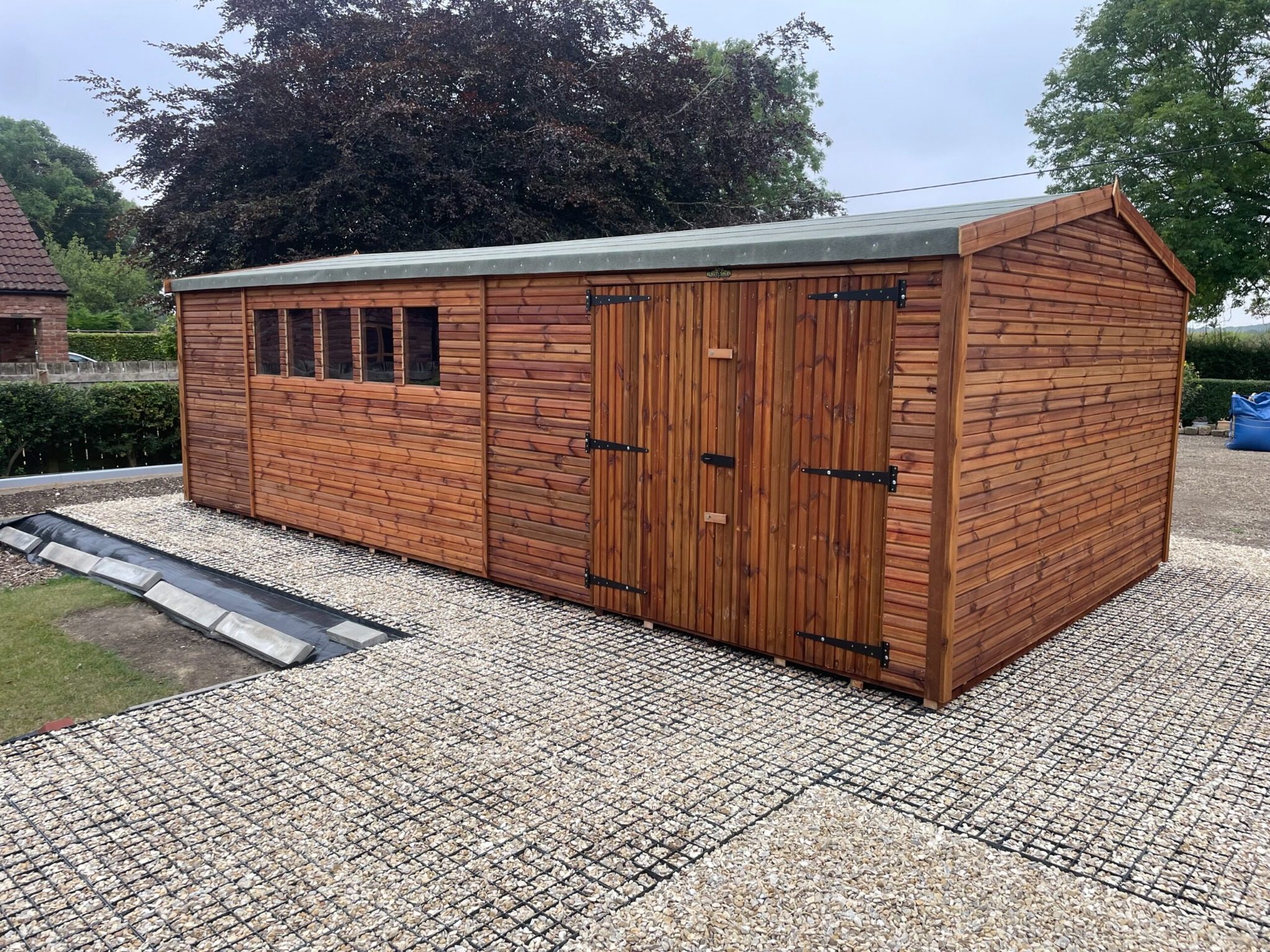
Large wooden shed 24x12 in a gravel garden with tanalised timber, apex felt roof, wide double doors and five windows
Gravel can work brilliantly for drainage — but only with proper edging, compaction, and a firm sub-base. Explore durable builds: heavy duty sheds or pressure treated sheds.

UK ground conditions (what changes and why)

Before you dig, do a quick reality check on your garden. The UK commonly has:

  • Clay soil: can hold water and move with wet/dry seasons. You’ll want excellent drainage and a well-compacted sub-base.
  • Sandy/loamy soil: drains well but can be less stable if not compacted properly.
  • Waterlogged ground: needs drainage-first thinking (gravel layer, fall away from the shed, and airflow under the floor).
  • Slopes: need retaining edges or leveling (don’t “wing it” with loose packers).
Pro tip: If your lawn stays soggy after rain, don’t build a shed base straight onto bare soil. Prioritise drainage and airflow under the floor (bearers + level base).

Getting the base size and level right

  • Make the base slightly bigger than the shed: typically 50–100mm extra on each side for concrete/slabs (manufacturer guidance varies).
  • Level matters more than perfection: a shed on an unlevel base twists, doors stick, and windows won’t sit square.
  • Keep timber off wet ground: use bearers and a base that prevents puddling around the walls.

If you’re choosing a shed first, use the Shed Builder to lock in the size, then build the base to suit. For ready-to-go options, browse shop sheds.

How to build a concrete shed base (step-by-step)

A concrete base is the go-to for heavier sheds, frequent footfall, and UK gardens with inconsistent ground. Here’s a practical build method used for most domestic shed bases.

  1. Mark out the base using string lines and pegs. Check diagonals match (that’s how you know it’s square).
  2. Excavate the area. Remove turf and soft topsoil until you hit firm ground.
  3. Add sub-base (MOT Type 1) in layers and compact thoroughly. This is where most DIY bases fail.
  4. Add a sand blinding layer (thin) to protect the membrane and help leveling.
  5. Lay a DPM (damp proof membrane) if you’re pouring concrete (helps reduce moisture migration).
  6. Set your formwork and level it carefully. The concrete will follow whatever level you set here.
  7. Pour and level concrete. Use a straight edge to screed level, then float the surface.
  8. Cure properly. Keep it from drying too fast in warm weather; avoid heavy loads until it’s set.

Trusted guides: Pavingexpert – Plain concrete bases and Pavingexpert – Concrete hardstandings (thickness guidance).

How to build a paving slab base (step-by-step)

A slab base is a strong choice for medium wooden sheds and many everyday garden sheds. It can handle UK weather well if the sub-base and leveling are done correctly.

  1. Dig out the footprint and remove all soft ground.
  2. Lay and compact sub-base (Type 1) in layers.
  3. Bed slabs on mortar (not just sand) for stability.
  4. Check level as you go using a long straight edge and spirit level.
  5. Finish joints and allow the bed to firm up before loading.
Best practice: A slab base can look level but still have “high corners.” Always check across the diagonals with a long straight edge.

When gravel bases work (and when they don’t)

Gravel bases are popular for drainage, but they must be built like a mini driveway: firm sub-base, proper edging, and compacted gravel. They’re often best paired with smaller sheds like small sheds or specialist storage like motorbike sheds.

  • Works well if: your ground is wet, you add edging, and you compact properly.
  • Avoid if: your site is sloped and you can’t retain the gravel, or you’re placing a very heavy workshop shed.
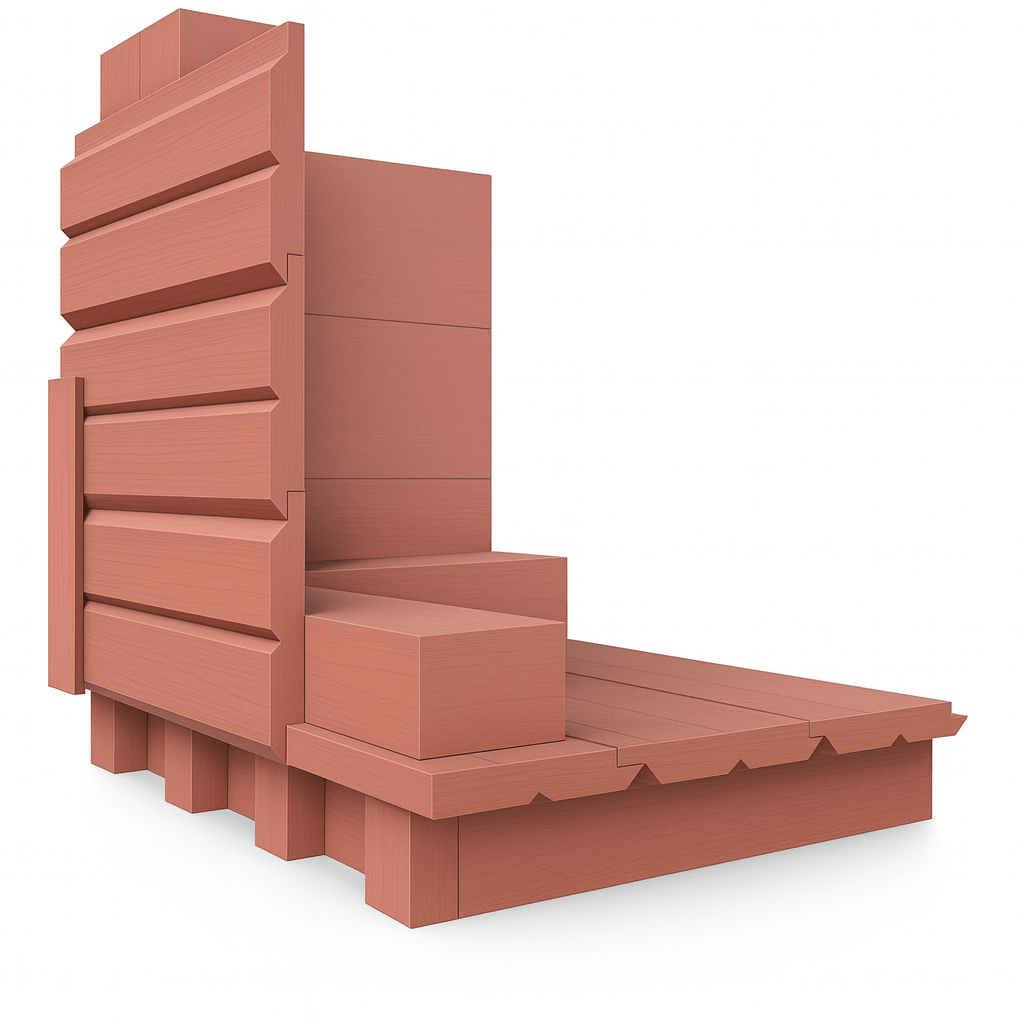
Illustration of heavy duty timber used for sheds
Heavier builds deserve stronger bases. If you’re planning a high-load use (tools, benches, bikes), look at heavy duty sheds or workshop sheds.

Common shed base mistakes to avoid

  • Skipping compaction: the base settles, the shed twists, doors stop closing properly.
  • Building on soft topsoil: it holds moisture and compresses over time.
  • No drainage plan: water pools around the shed walls and shortens timber life.
  • Base too small: edges crumble, bearers sit awkwardly, floors flex.
  • Ignoring boundary rules: if you’re close to a boundary and building big, check planning/building guidance.

Planning/building regs context for outbuildings: Planning Portal – Outbuildings planning permission and Planning Portal – Building regs for outbuildings.

FAQs

What is the best shed base for clay soil in the UK?

Clay can hold water and move seasonally, so prioritise drainage and stability: a well-compacted sub-base and either a concrete slab or a properly bedded paving slab base. Avoid placing a shed directly on soft ground.

Should a shed base be bigger than the shed?

Typically yes — many installers aim for around 50–100mm extra on each side for concrete/slab bases, but always follow the shed’s fitting guidance if provided. The key is full support for bearers/floor edges.

Do I need a damp proof membrane (DPM) under a concrete shed base?

A DPM is commonly used under concrete slabs to reduce moisture migration. It’s especially useful in damp areas, but your full build-up (sub-base, drainage, and airflow) matters just as much.

Can I build a shed base on a slope?

Yes, but you must create a level platform (often with retaining edges). Don’t rely on loose packers or “wedging” the shed—this leads to movement and frame twist.

Back to Top
Product has been added to your cart
Compare (0)