
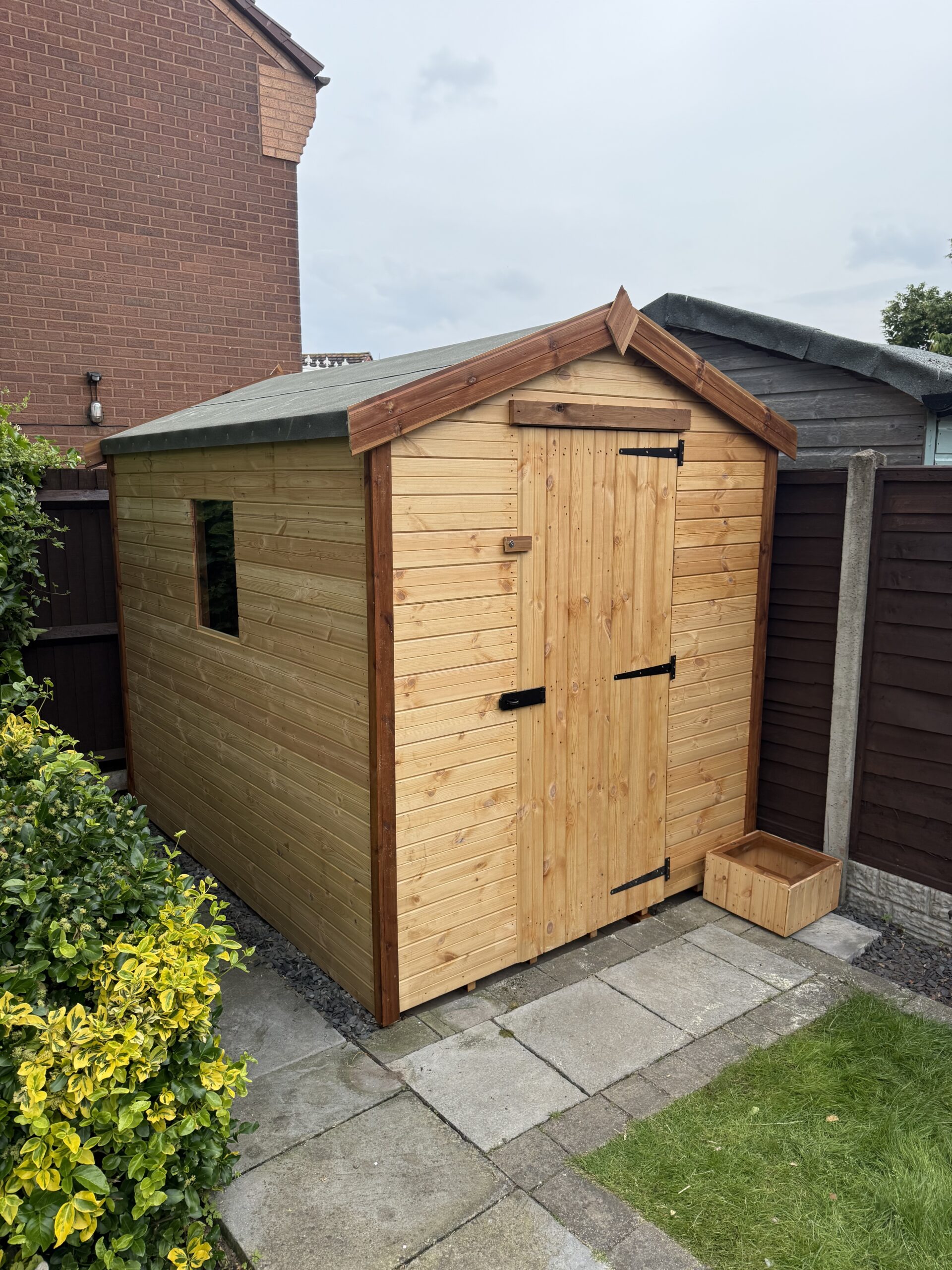
How to Build a Shed Roof (Apex & Pent – UK Guide)
Building a shed roof correctly is essential for keeping your shed weatherproof, durable, and long-lasting. This guide explains how to build both apex and pent shed roofs, including timber structure, coverings, and best UK practices.
Understanding Shed Roof Types
The two most common shed roof designs in the UK are apex and pent. Each has different structural and drainage benefits.
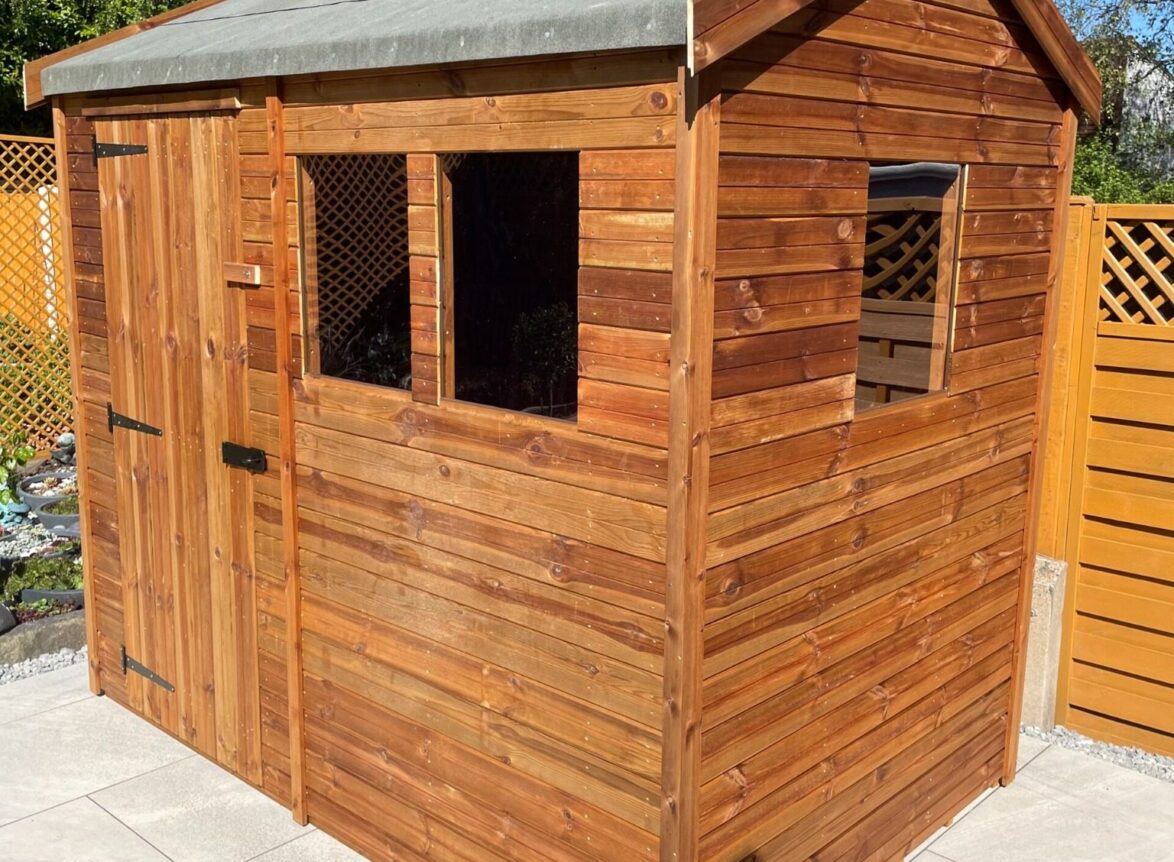
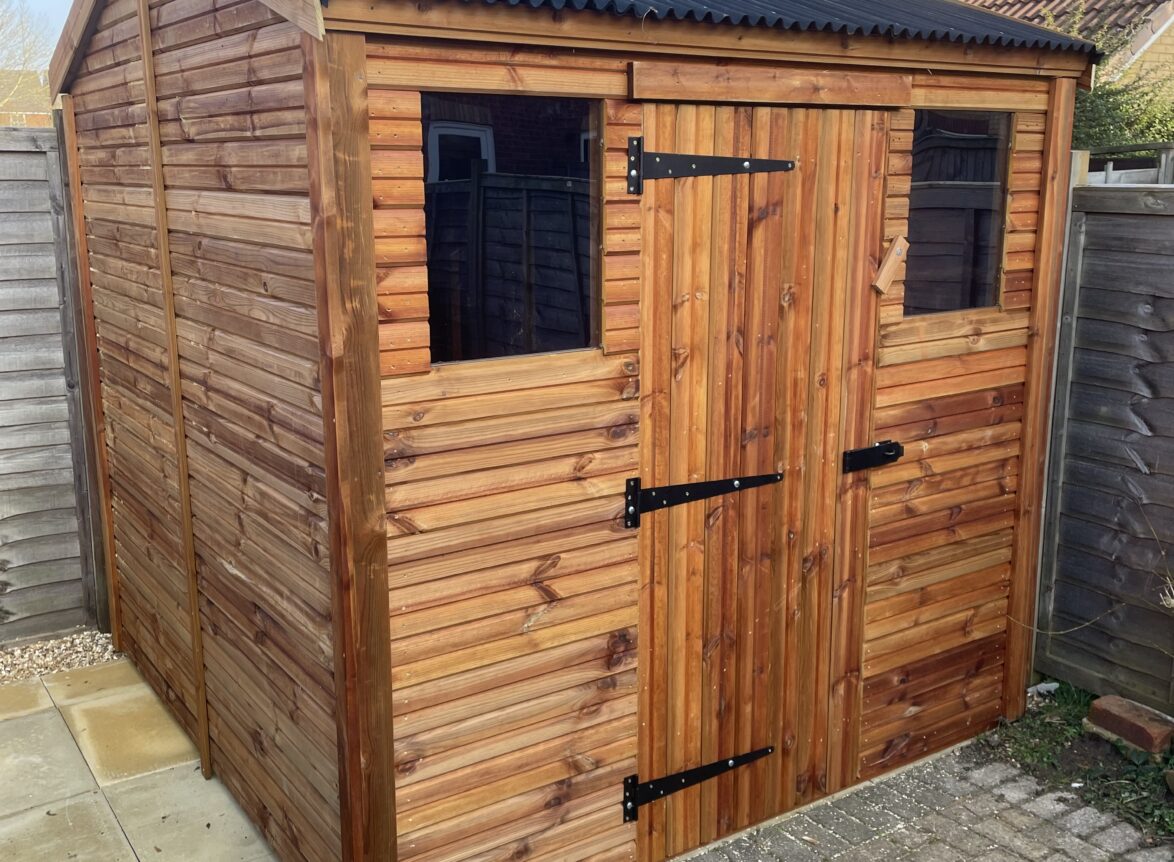
- Apex roof: Traditional pitched roof with a central ridge – ideal for rain runoff.
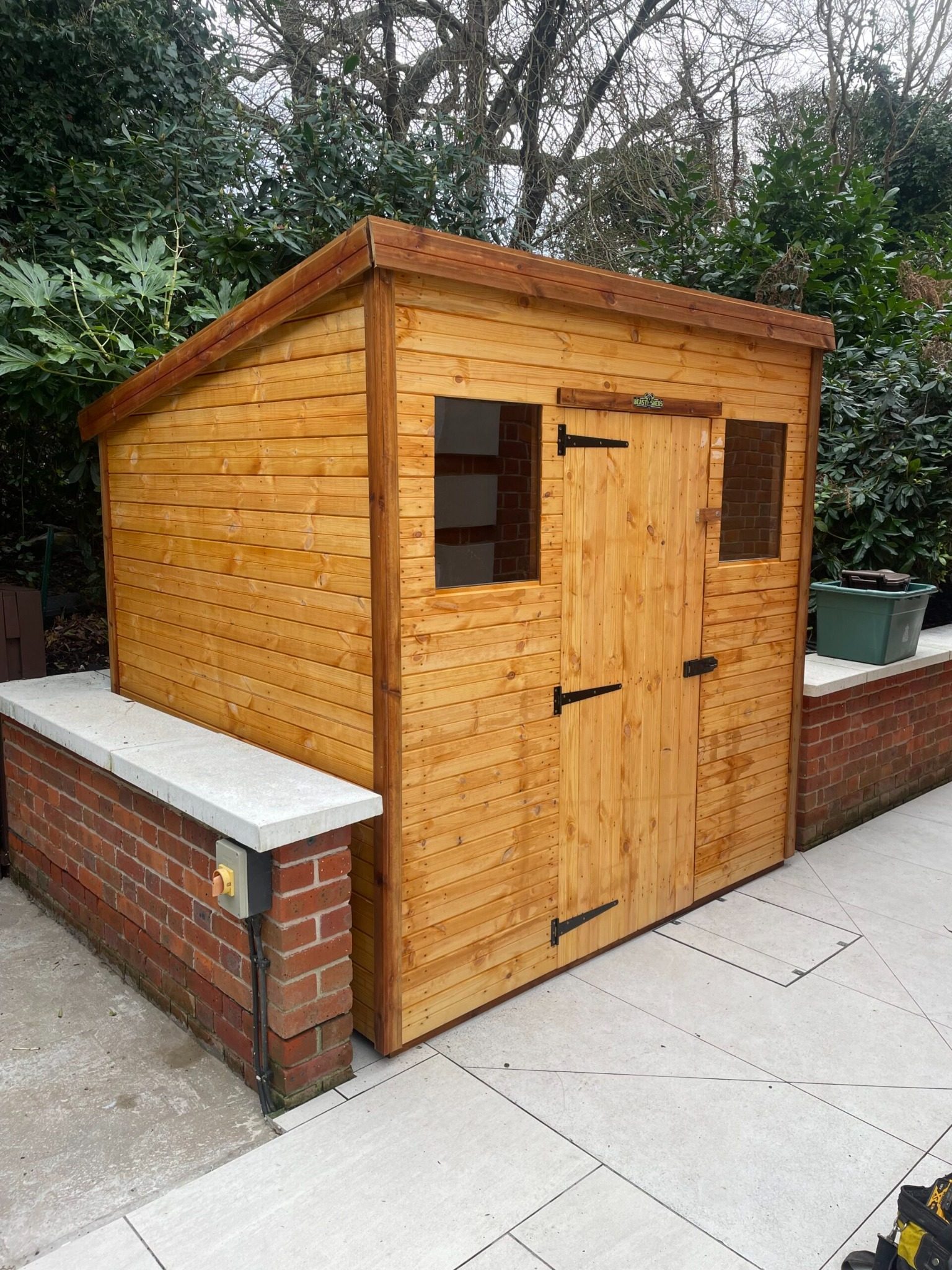
- Pent roof: Single sloping roof, modern look, ideal for positioning against walls.
Explore available designs: Apex Sheds | Pent Sheds
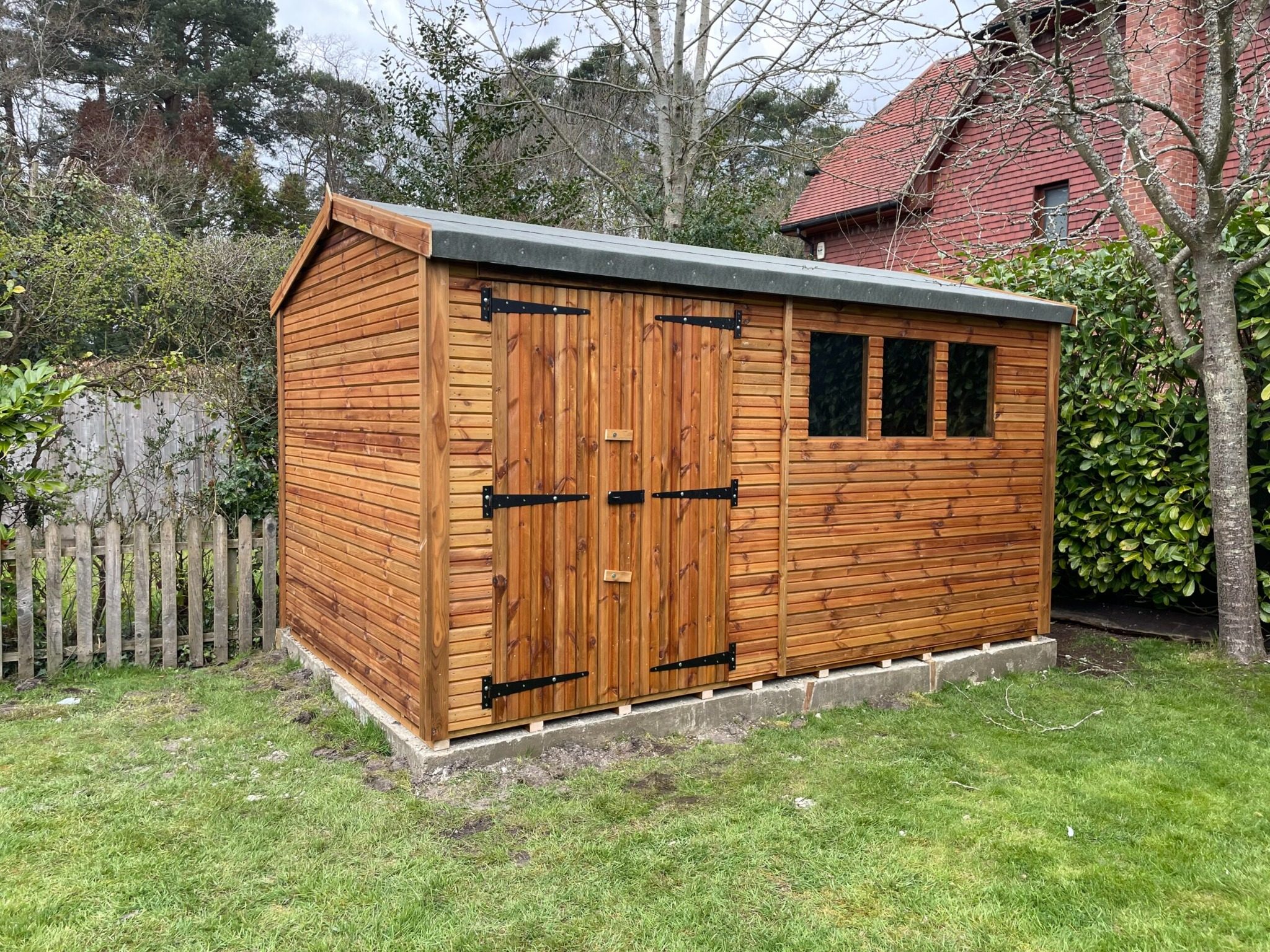
What You Need to Build a Shed Roof
- Structural timber (rafters, ridge board, joists)
- Exterior grade OSB or tongue-and-groove boards
- Roofing felt or felt shingles
- Galvanised nails or screws
- Drip edge or fascia boards
Quality materials ensure better weather resistance and longer life.
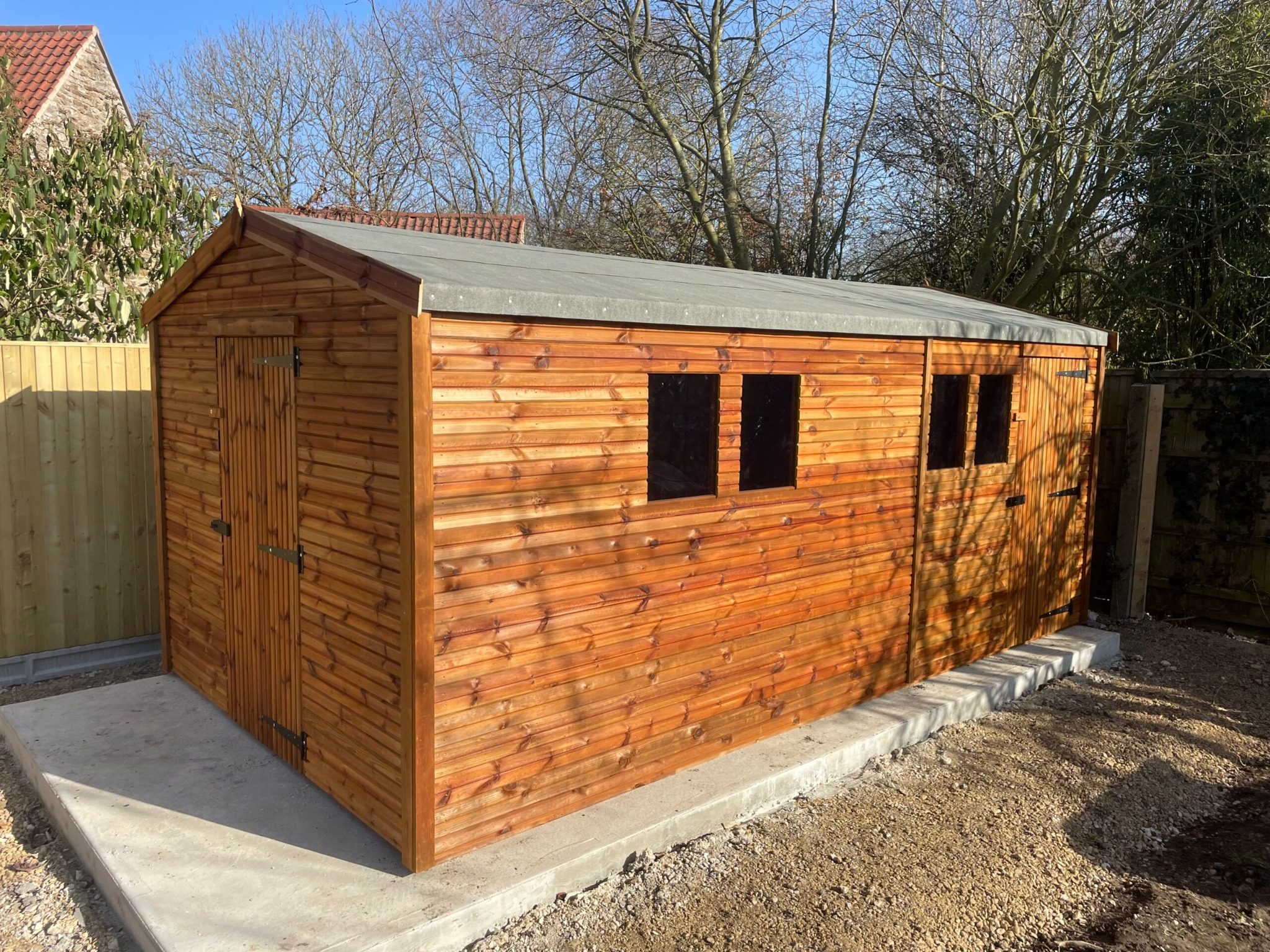
How to Build a Shed Roof (Step-by-Step)
- Build the roof frame – Cut rafters to size and assemble on flat ground.
- Fix the frame to the shed walls ensuring it is square and level.
- Install roof boards using exterior-grade boards or OSB.
- Add roofing felt, starting from the bottom edge upward.
- Secure ridge cap for weather protection.
Choosing the Right Roof for Your Shed
The best roof depends on size, exposure, and use:
- Apex roofs: Better drainage, classic appearance
- Pent roofs: Modern look, ideal for wall placement
- Heavy-duty sheds: Thicker framing and stronger felt systems
Explore suitable models: Heavy Duty Sheds, Medium Sheds, Large Sheds
Common Mistakes to Avoid
- Not allowing enough roof overhang
- Fixing felt in cold or damp conditions
- Skipping battens or ridge protection
- Using indoor-grade timber outdoors
Avoid these mistakes and your roof can last 10–15 years or more.
Final Thoughts
Building a shed roof correctly protects your investment and ensures years of reliable use. Whether you’re repairing or starting from scratch, proper materials and technique make all the difference.
Leave a Comment
Your email address will not be published. Required fields are marked *