
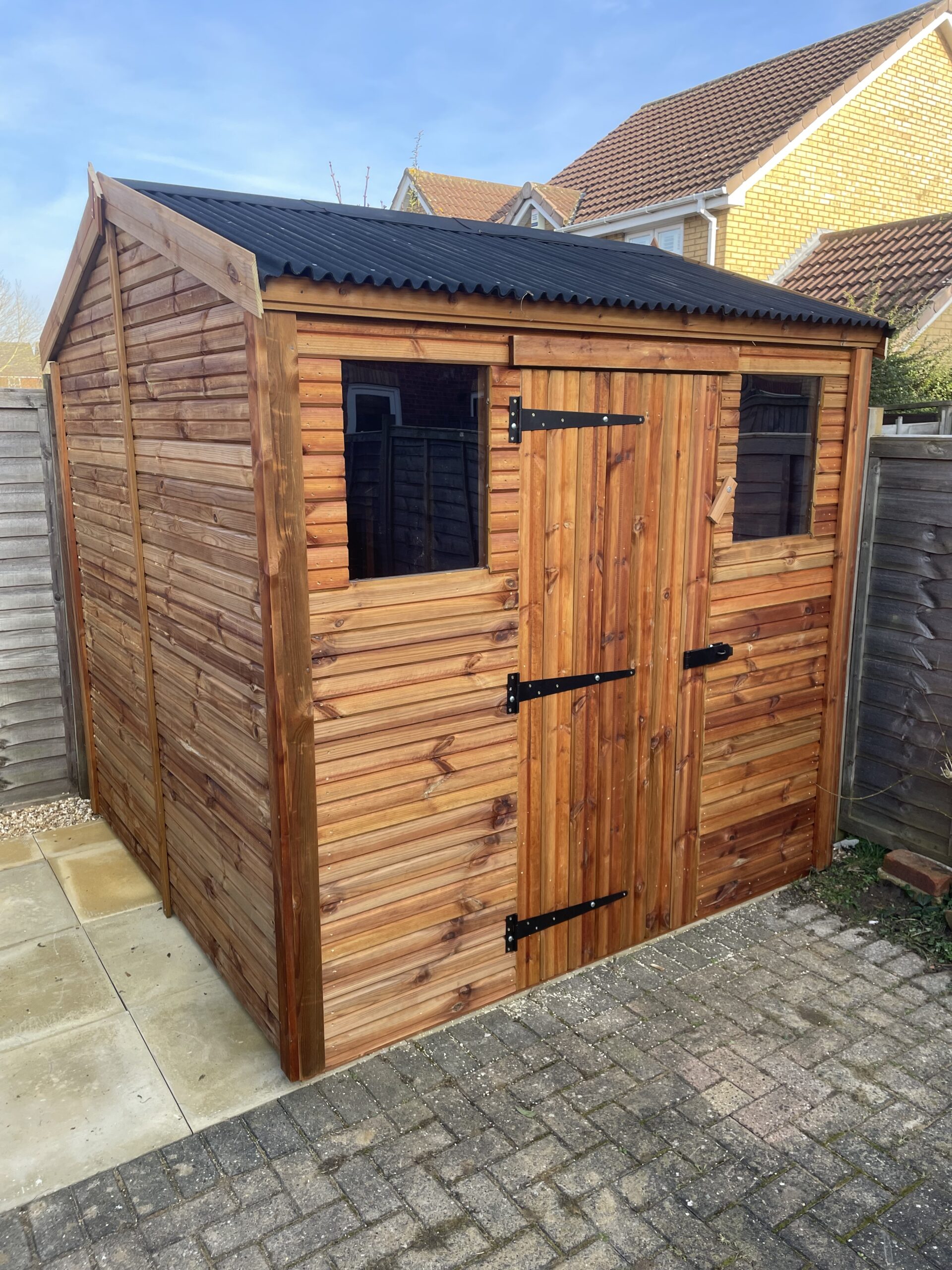
How to Felt a Shed Roof (UK Weather-Proofing Guide)
A properly felted shed roof is essential for keeping your building dry, protected, and long-lasting. In this guide, we explain exactly how to felt a shed roof, what materials to use, and how to avoid the most common mistakes.
Why Felting a Shed Roof Is Important
Shed roofing felt acts as the main weather barrier, protecting timber panels from rain, frost, and long-term moisture damage. Without proper felting, even pressure-treated sheds can suffer rot and warping.
- Prevents water ingress
- Extends shed lifespan
- Reduces timber movement
- Improves overall weather resistance
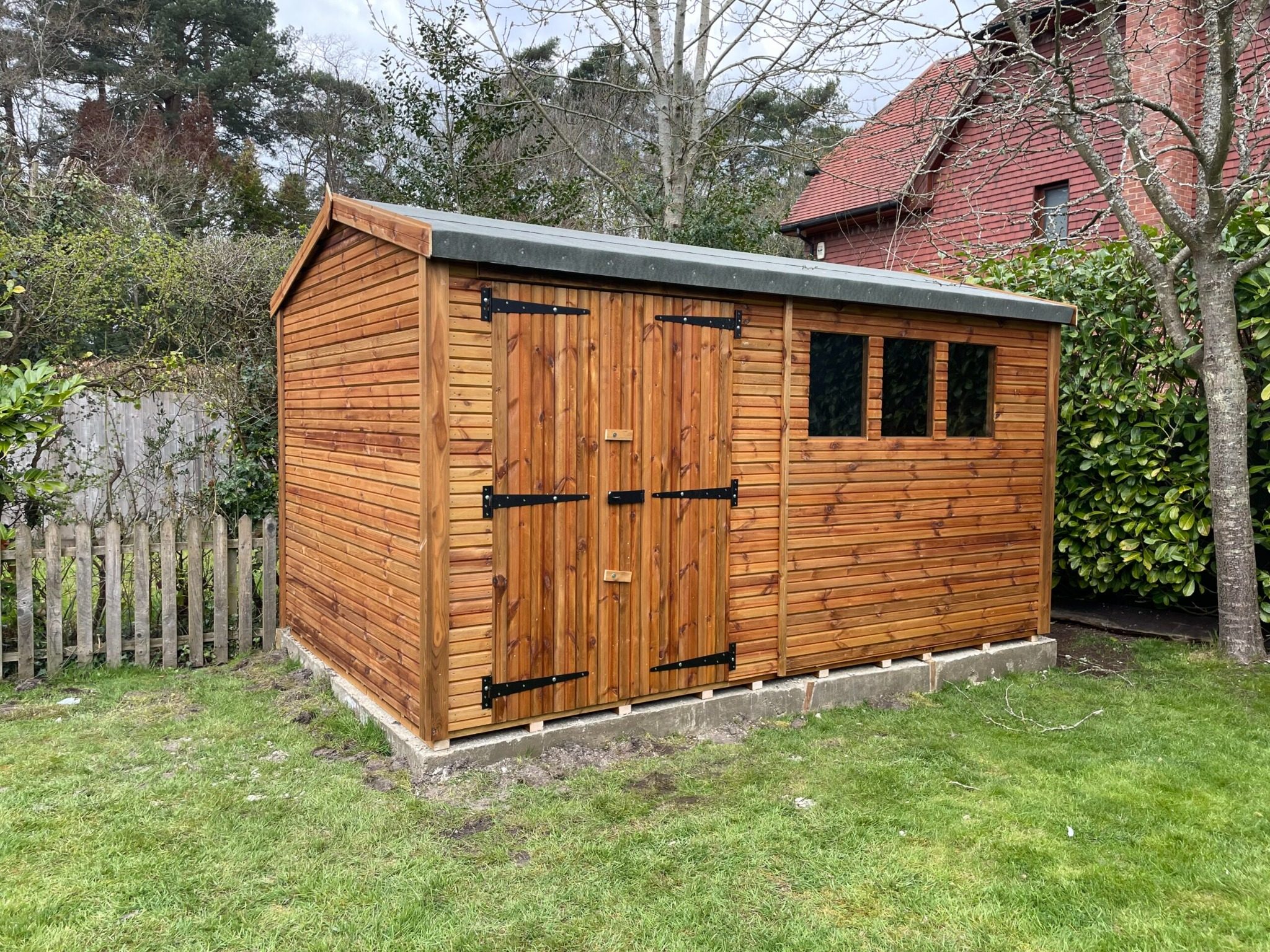
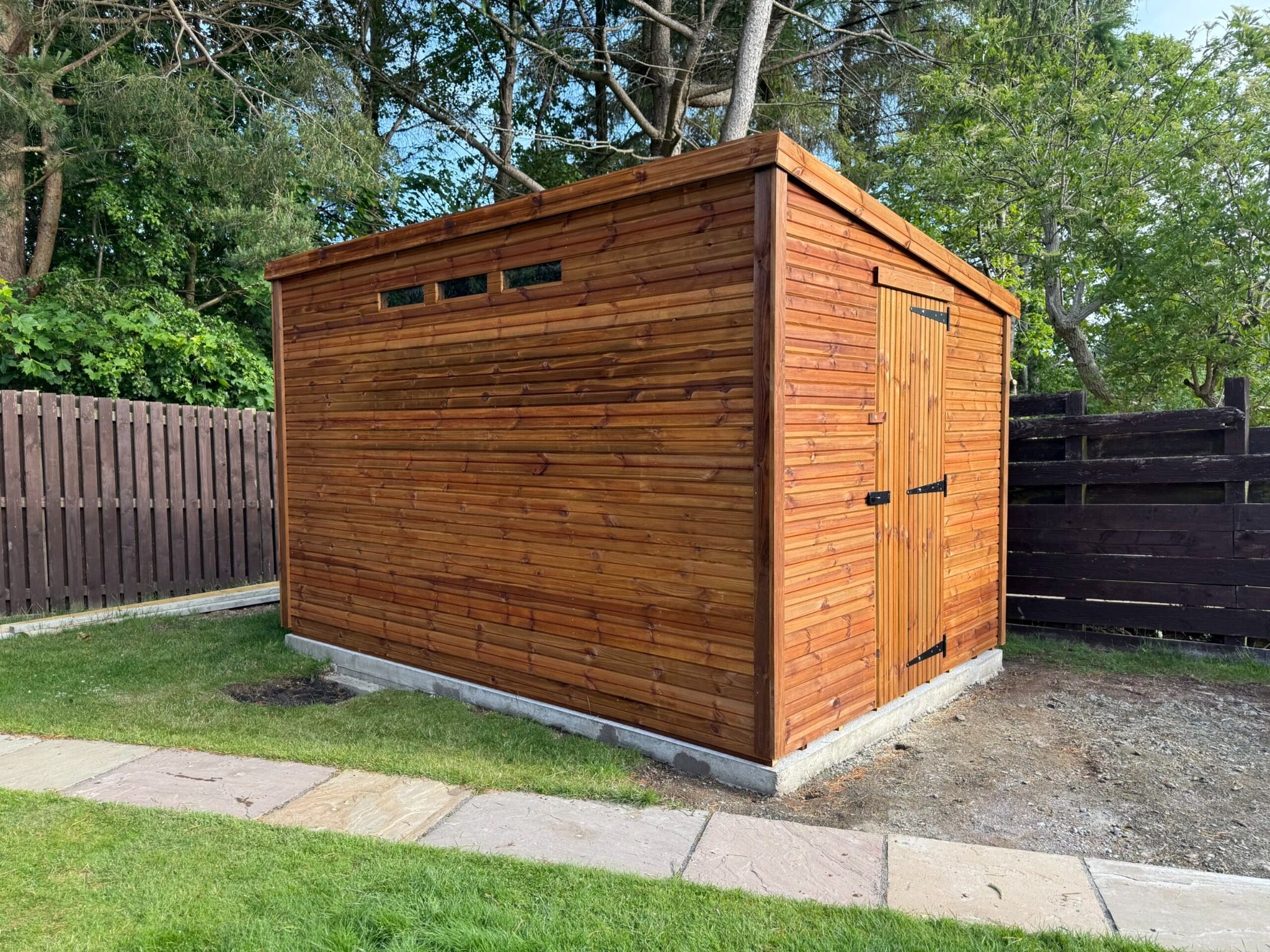
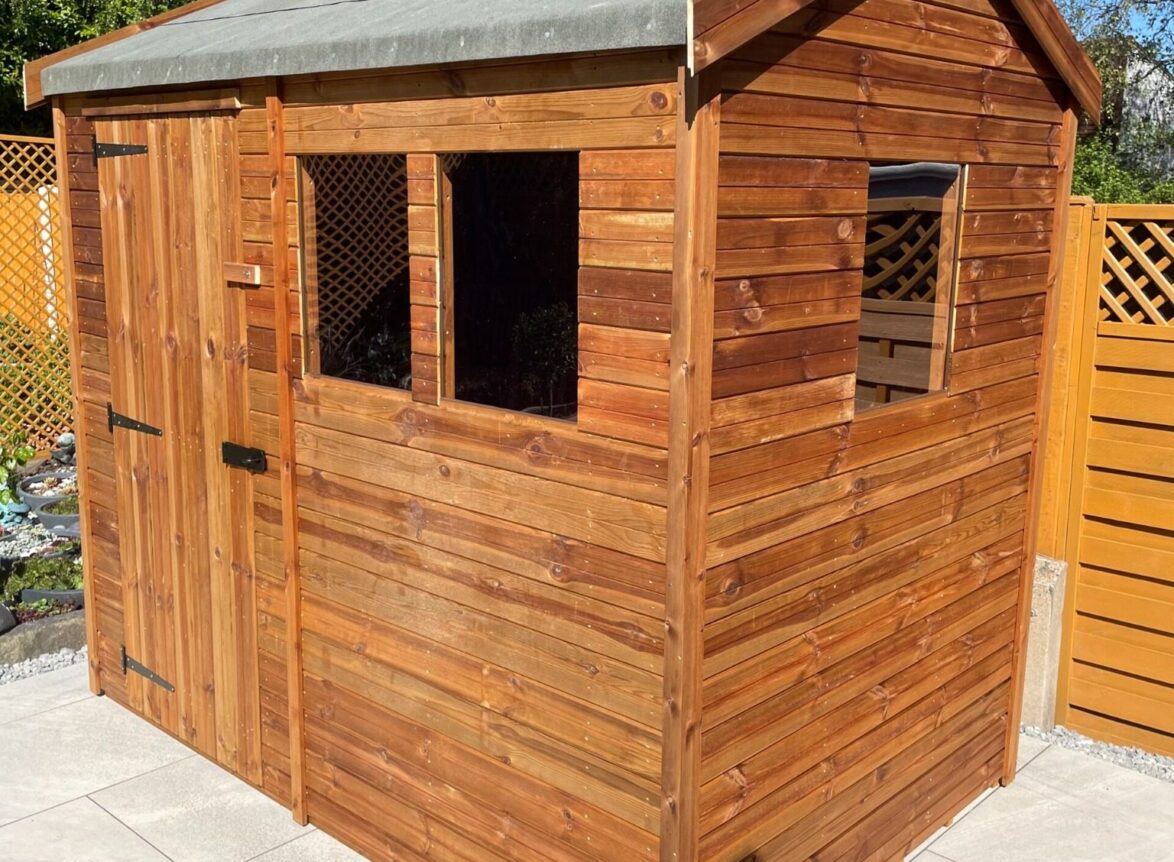
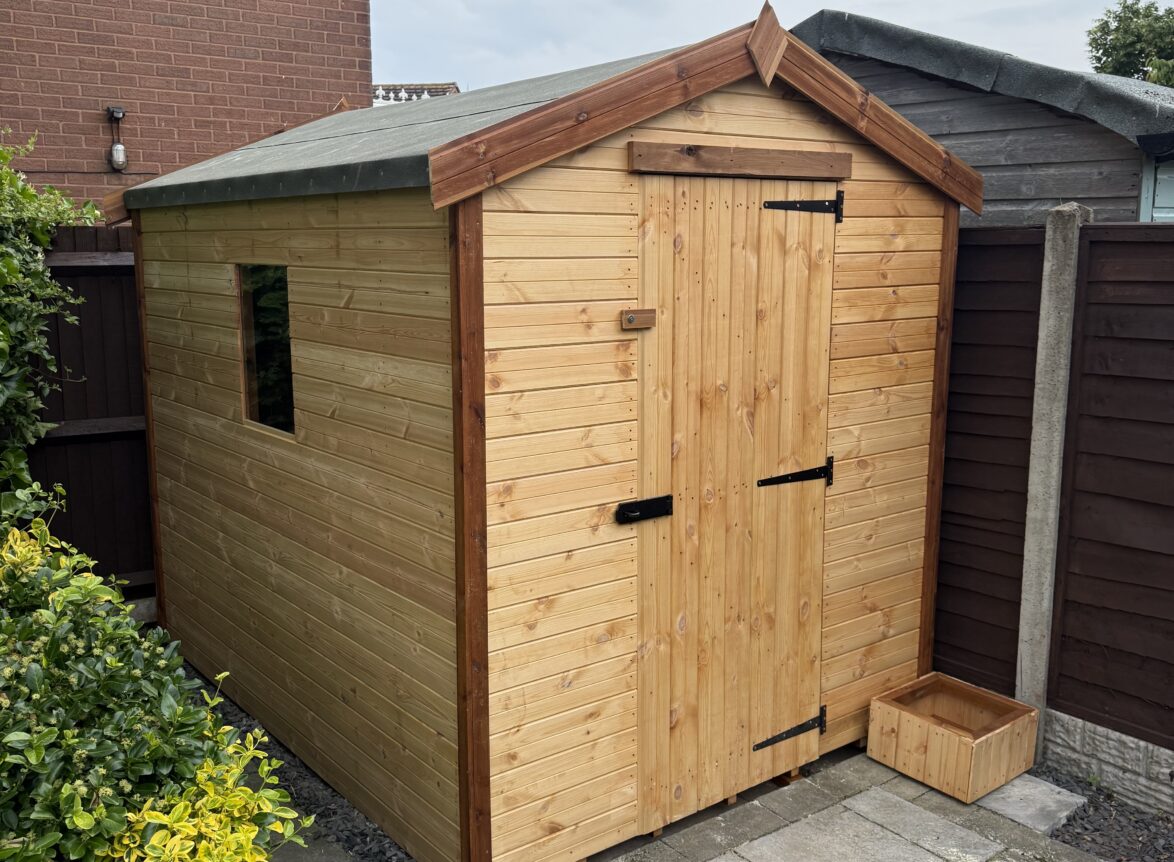
Felted roofs are standard on most: Garden Sheds, Wooden Sheds and Security Sheds.
What You Need to Felt a Shed Roof
- Green mineral roofing felt or heavy-duty polyester felt
- Galvanised clout nails or felt tacks
- Hammer or roofing hammer
- Sharp knife or utility blade
- Timber battens for ridge capping (if applicable)
Quality materials make a big difference — cheaper felt often cracks within 1–2 winters.
How to Felt a Shed Roof (Step-by-Step)
- Prepare the roof: Ensure boards are dry, clean, and securely fixed.
- Start at the bottom edge: Roll out the felt horizontally with a slight overhang.
- Fix with clout nails: Nail every 150–200mm along the top edge.
- Overlap sections: Each layer should overlap the previous one by at least 75mm.
- Secure ridge section: Fold felt over the apex or use a separate ridge strip.
- Seal edges: Trim neatly and ensure edges are watertight.
When Should You Replace Shed Felt?
- Visible tears, cracks, or lifting edges
- Water marks or damp inside the shed
- Felt shrinking or curling back
- Roof boards becoming exposed
If the structure itself is sound, refelting is far cheaper than replacing the entire shed.
Best Sheds for Felt Roofing
Felt roofing works particularly well on:
Looking for something more durable? Pressure Treated Sheds
Final Tips
A well-fitted felt roof can last 10–15 years when installed correctly. Regular checks after winter will help catch small issues before they become costly repairs.
Leave a Comment
Your email address will not be published. Required fields are marked *